The Allen Koenigsberg Phonograph Collection
Lot 3024:
Description
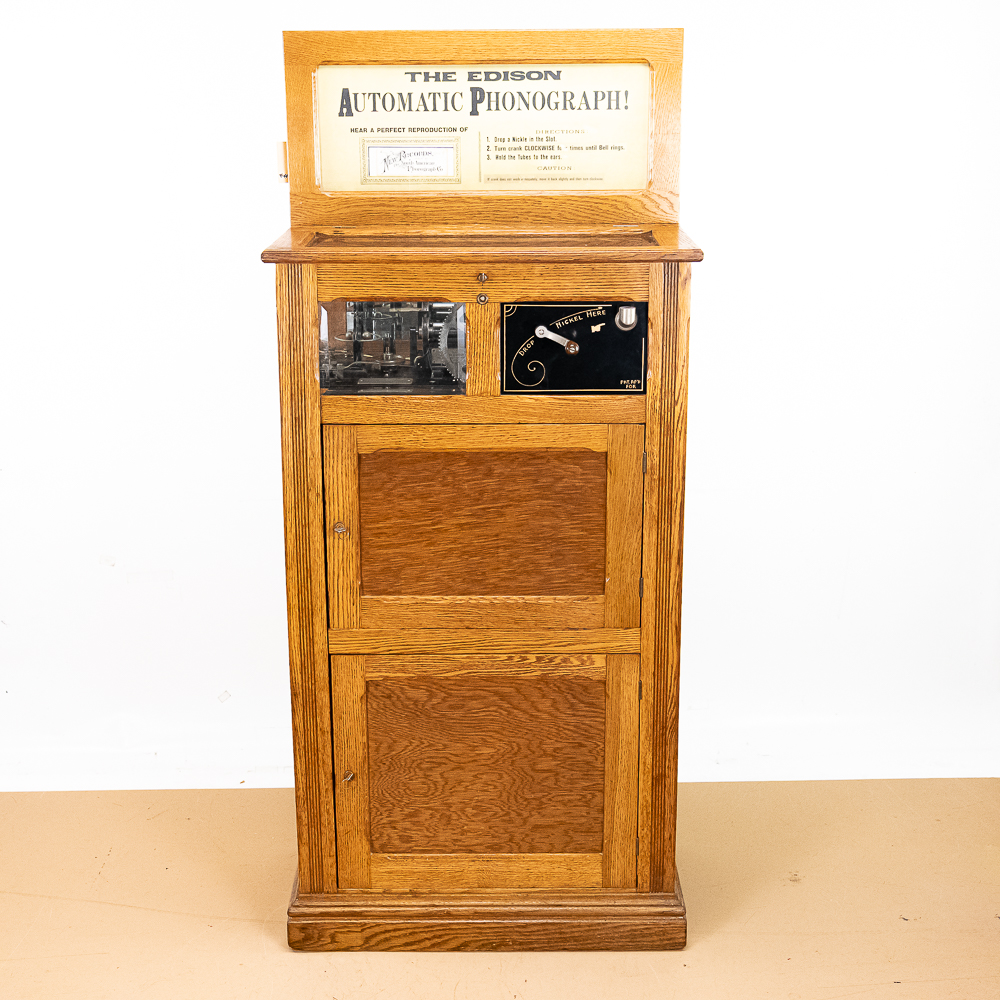
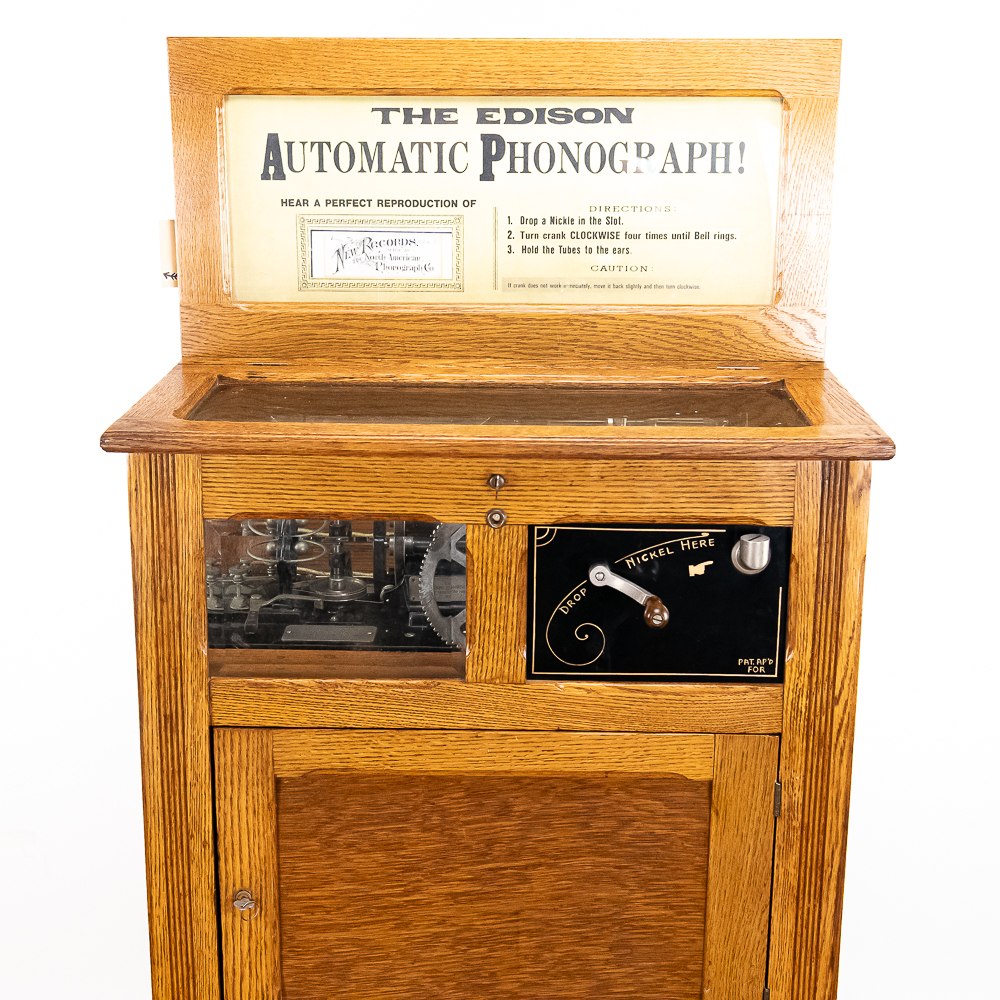
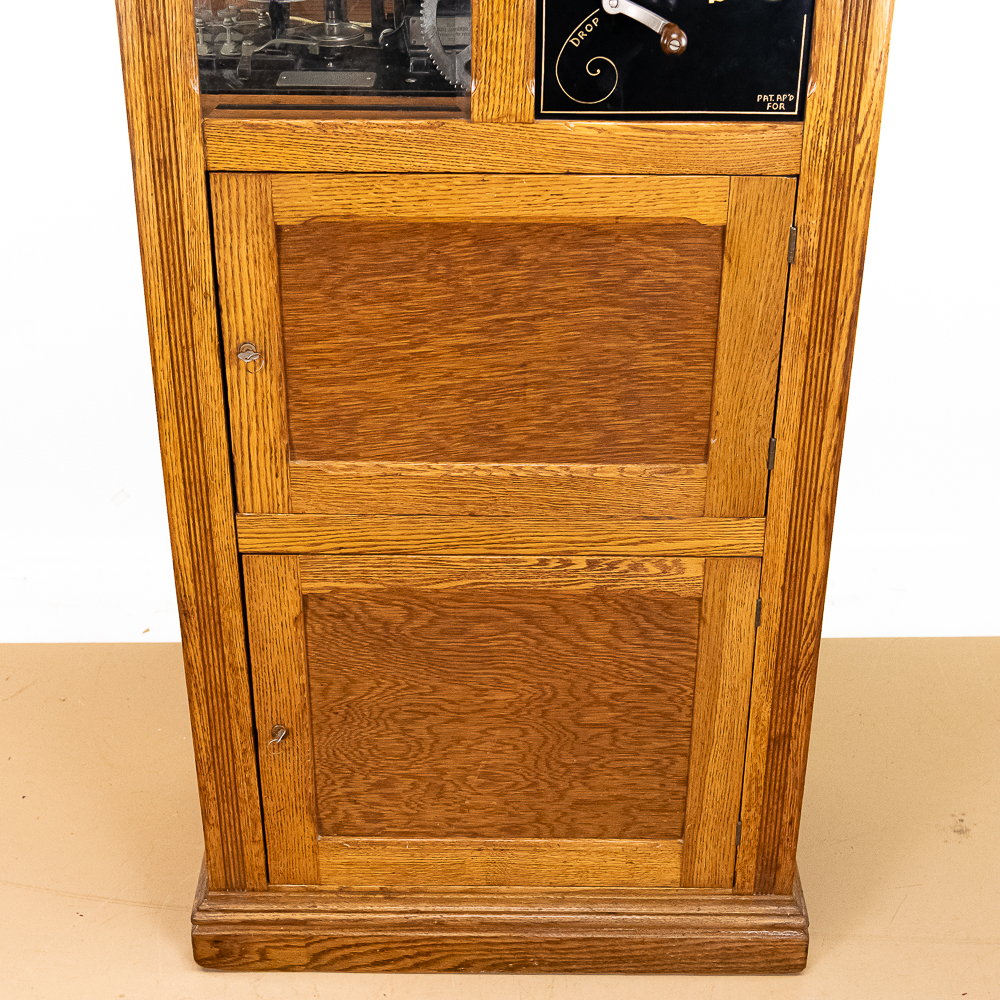
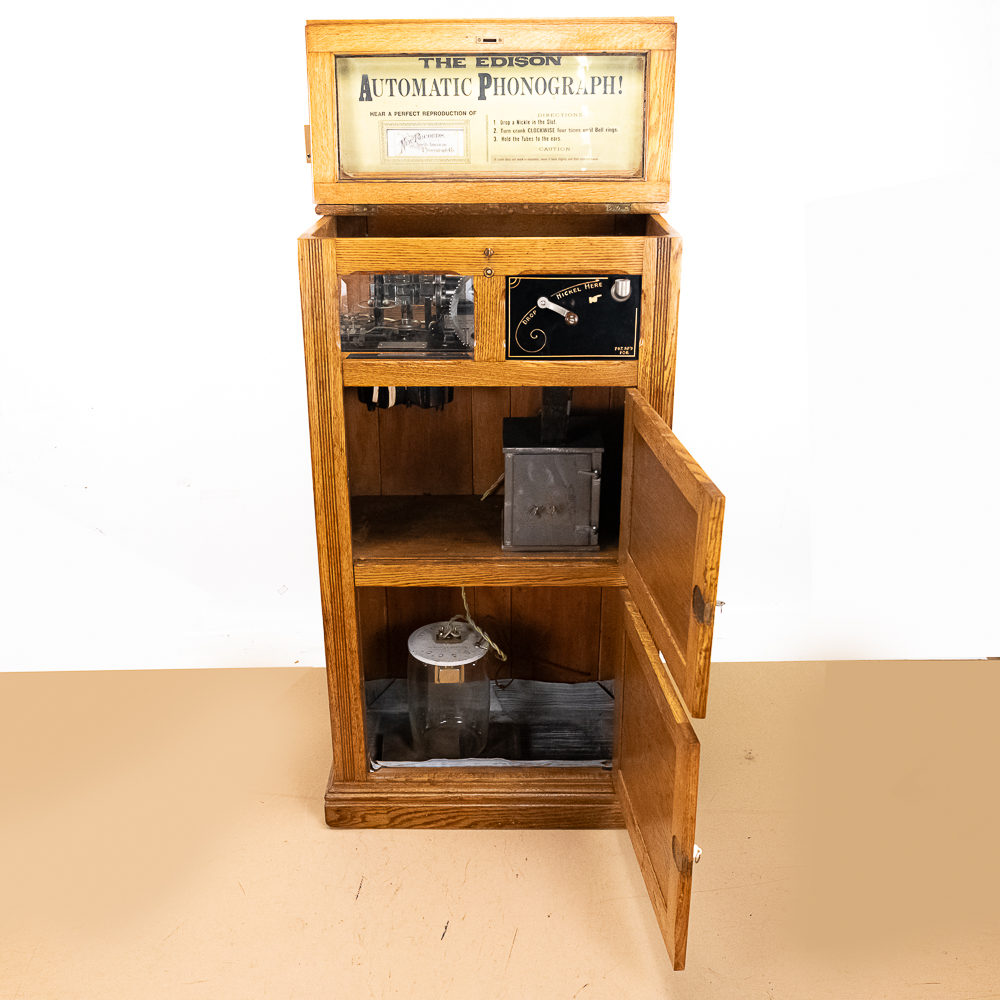
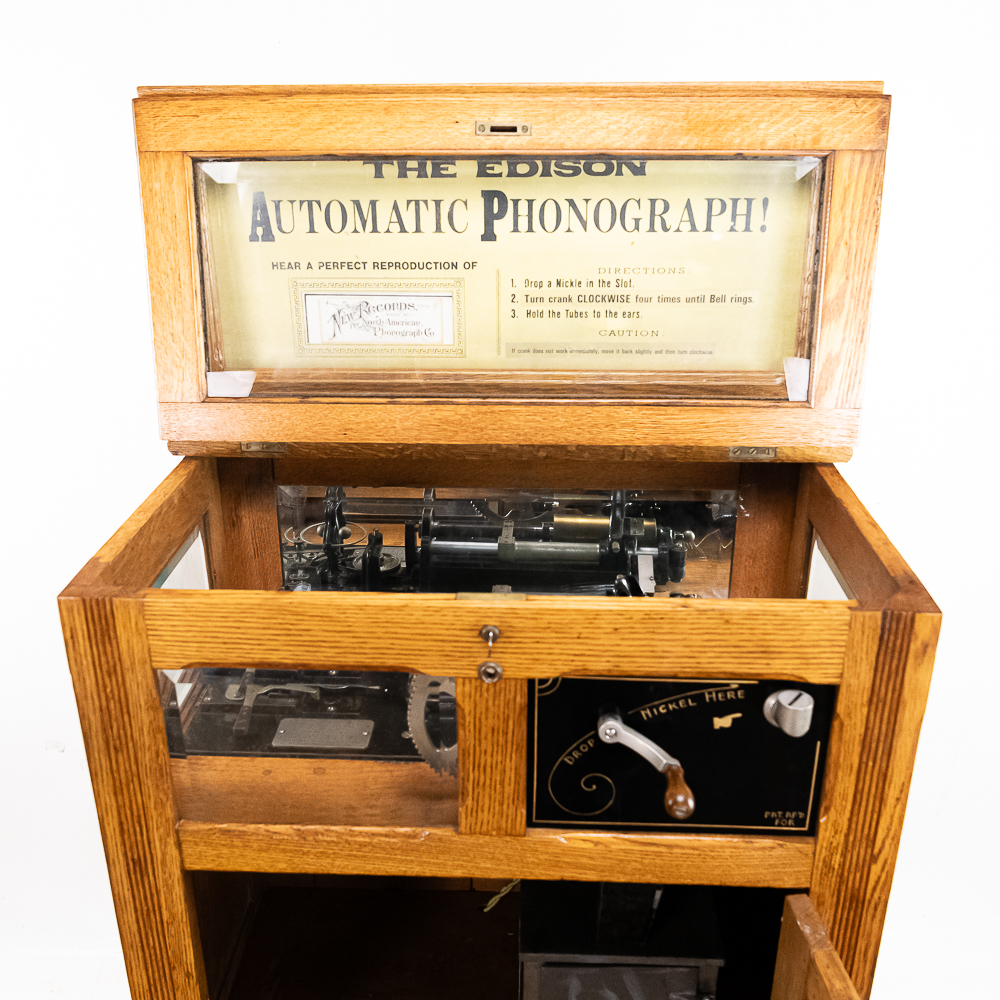
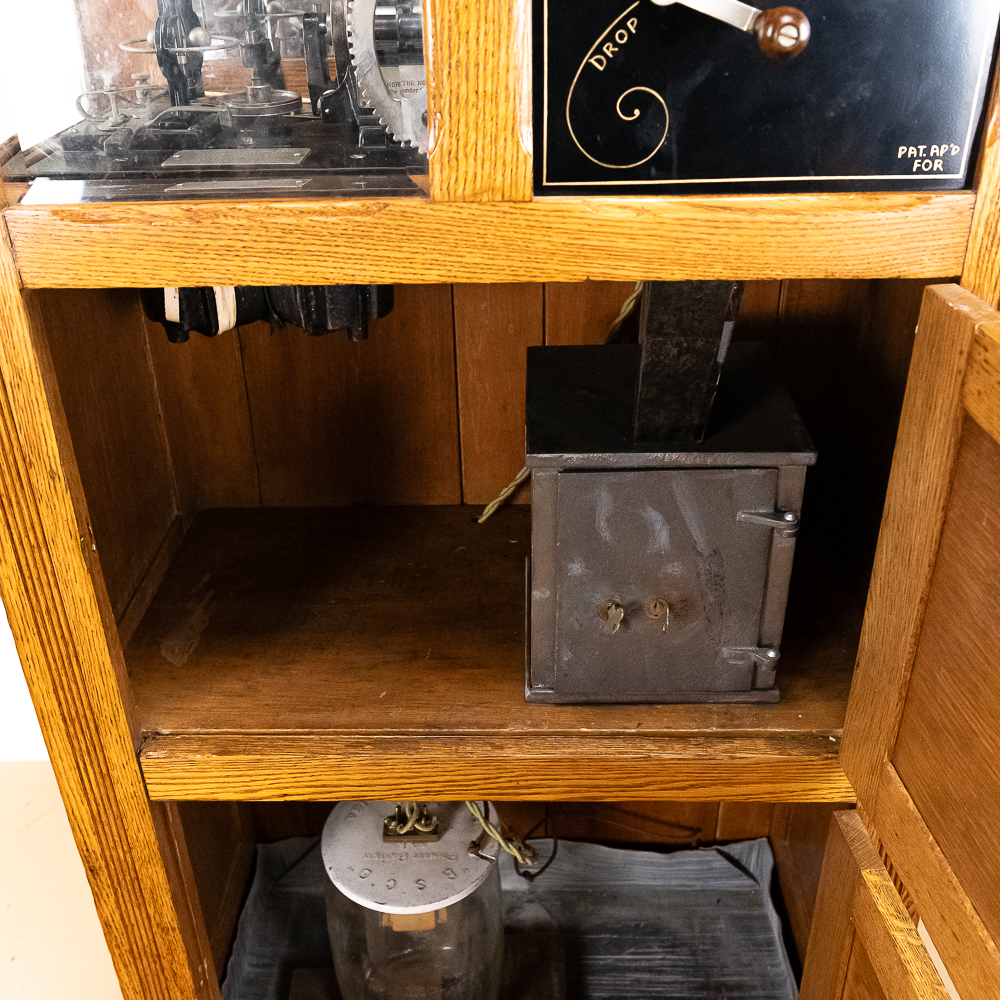
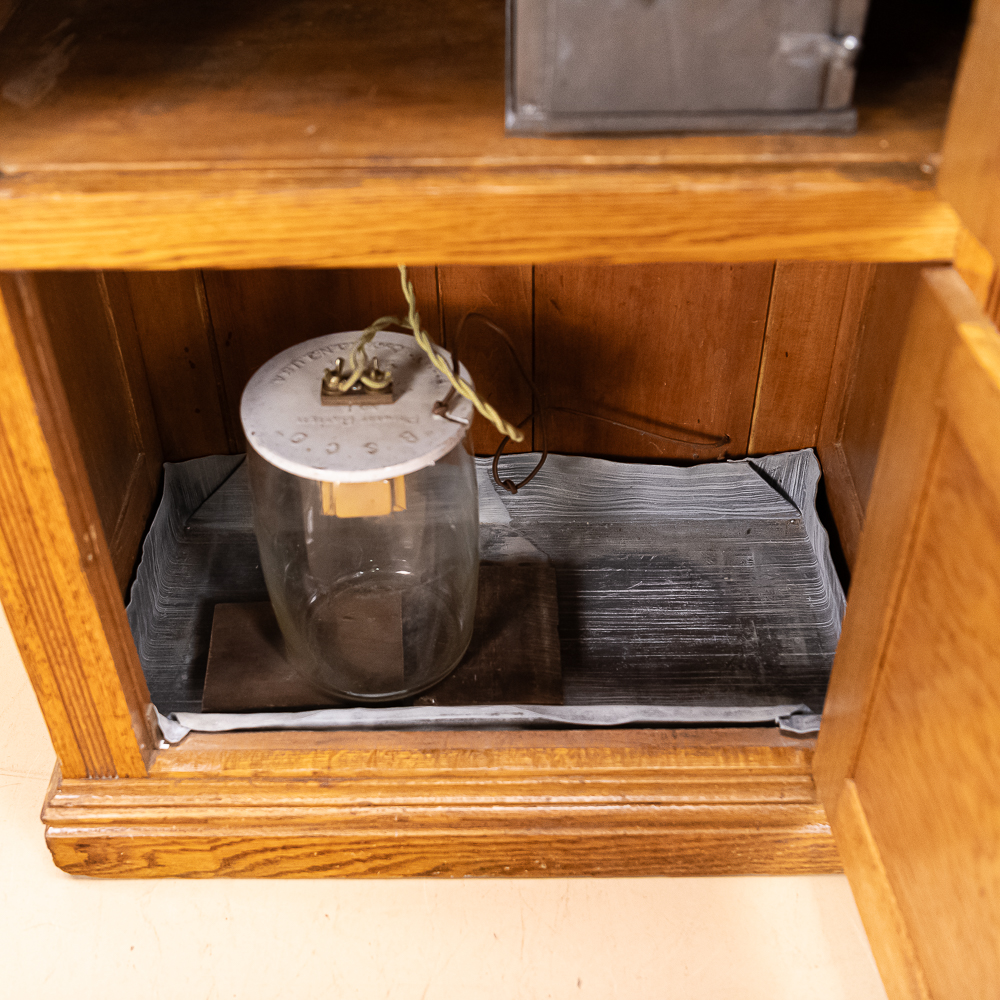
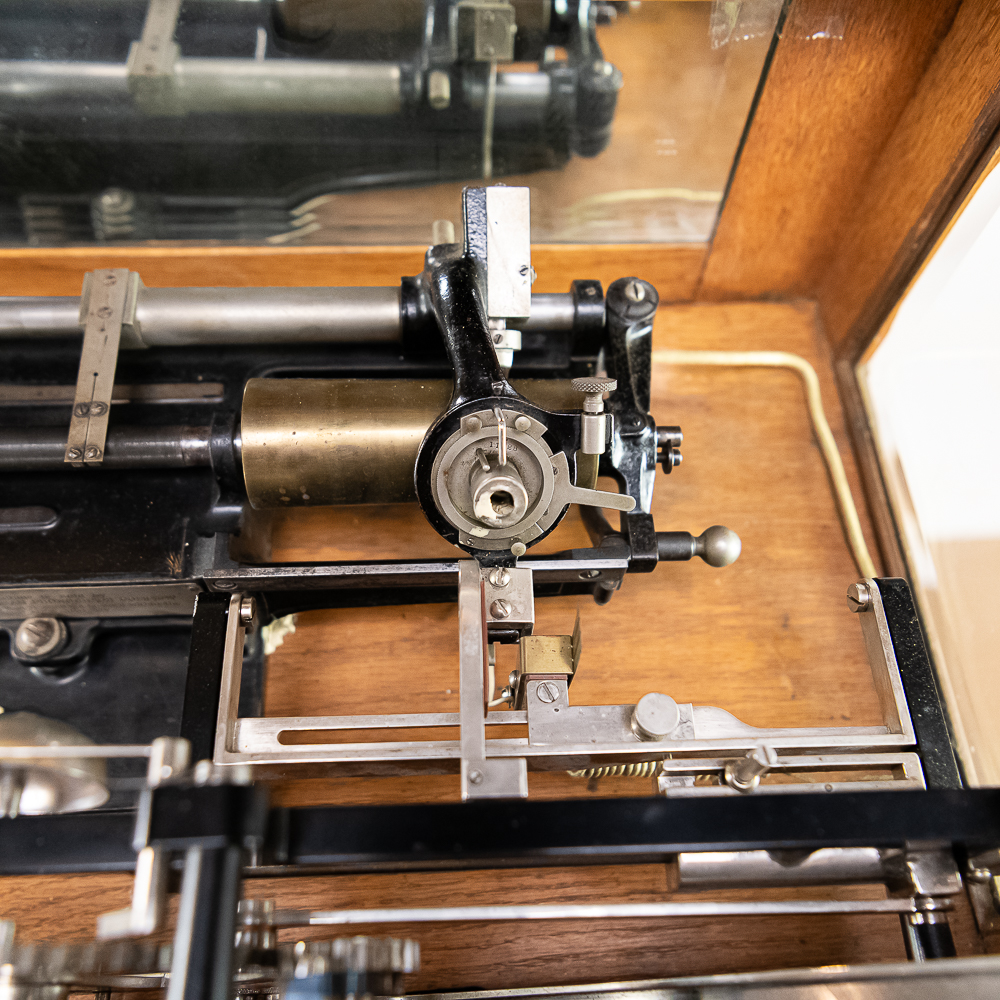
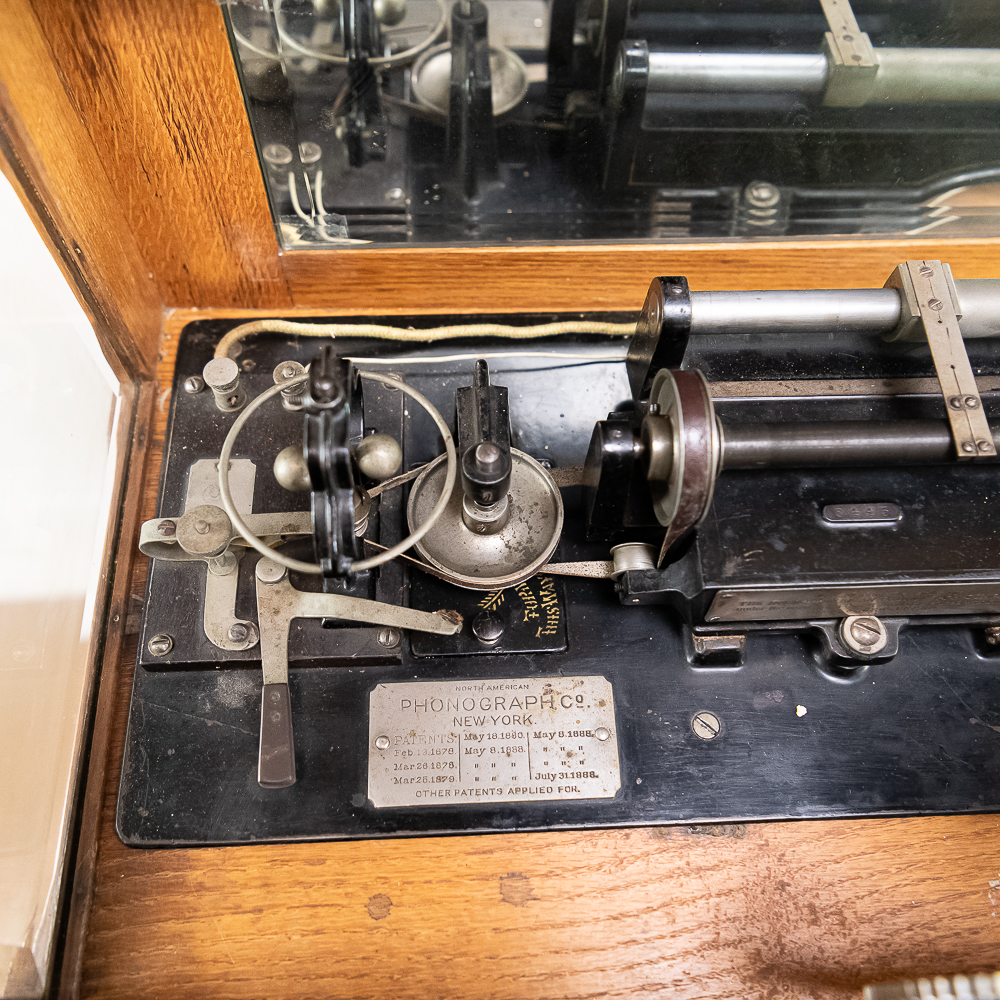
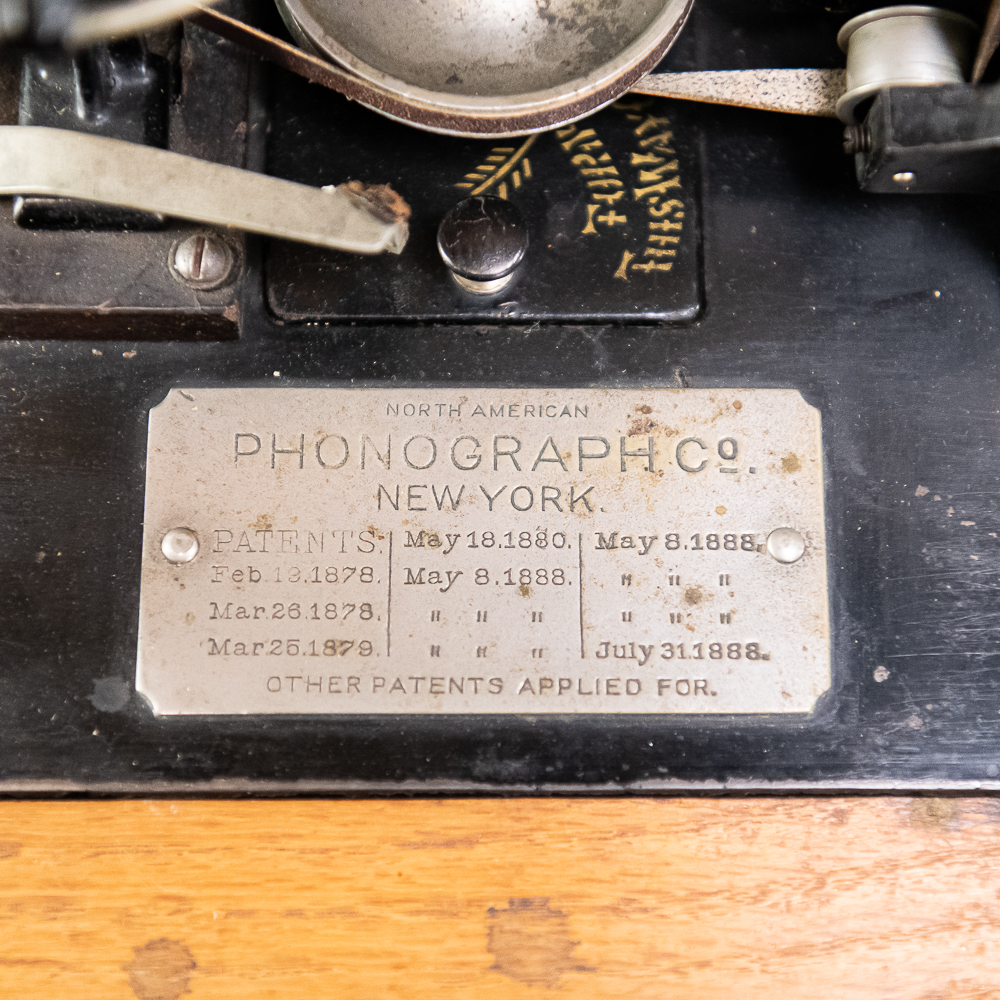
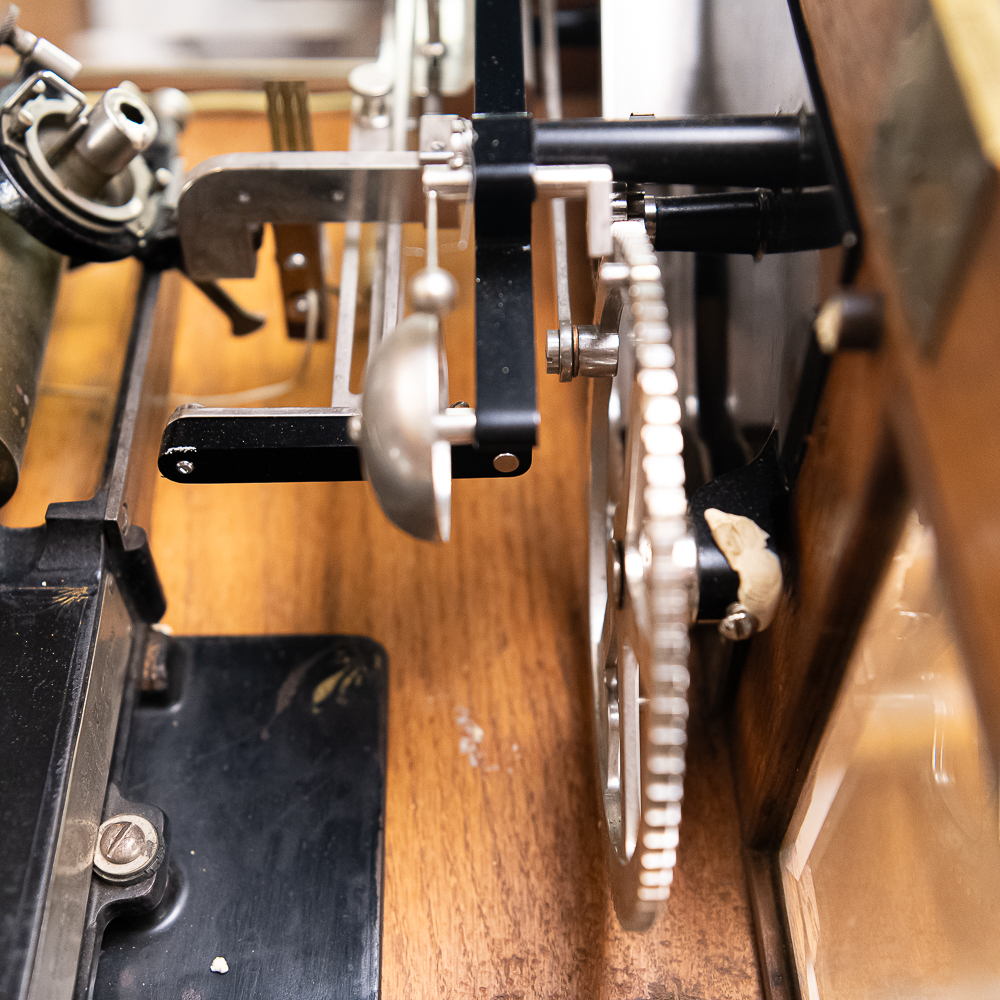
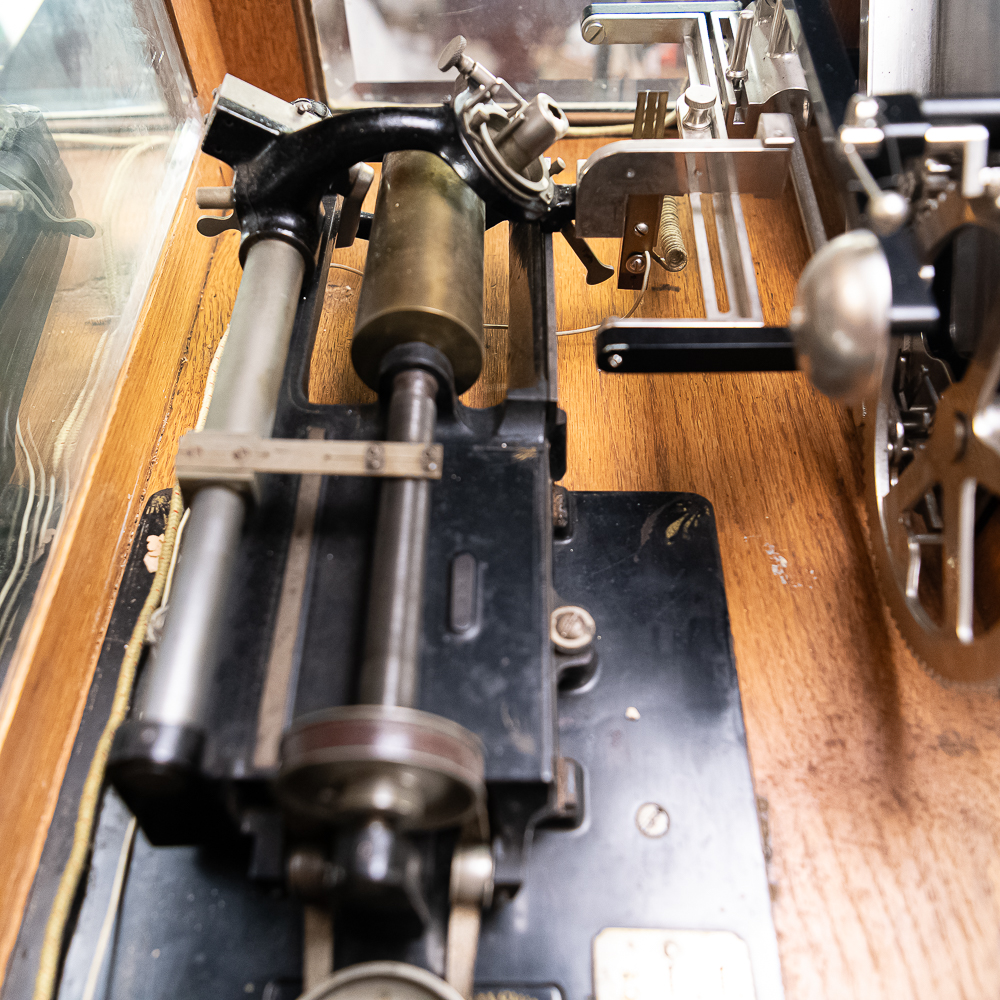
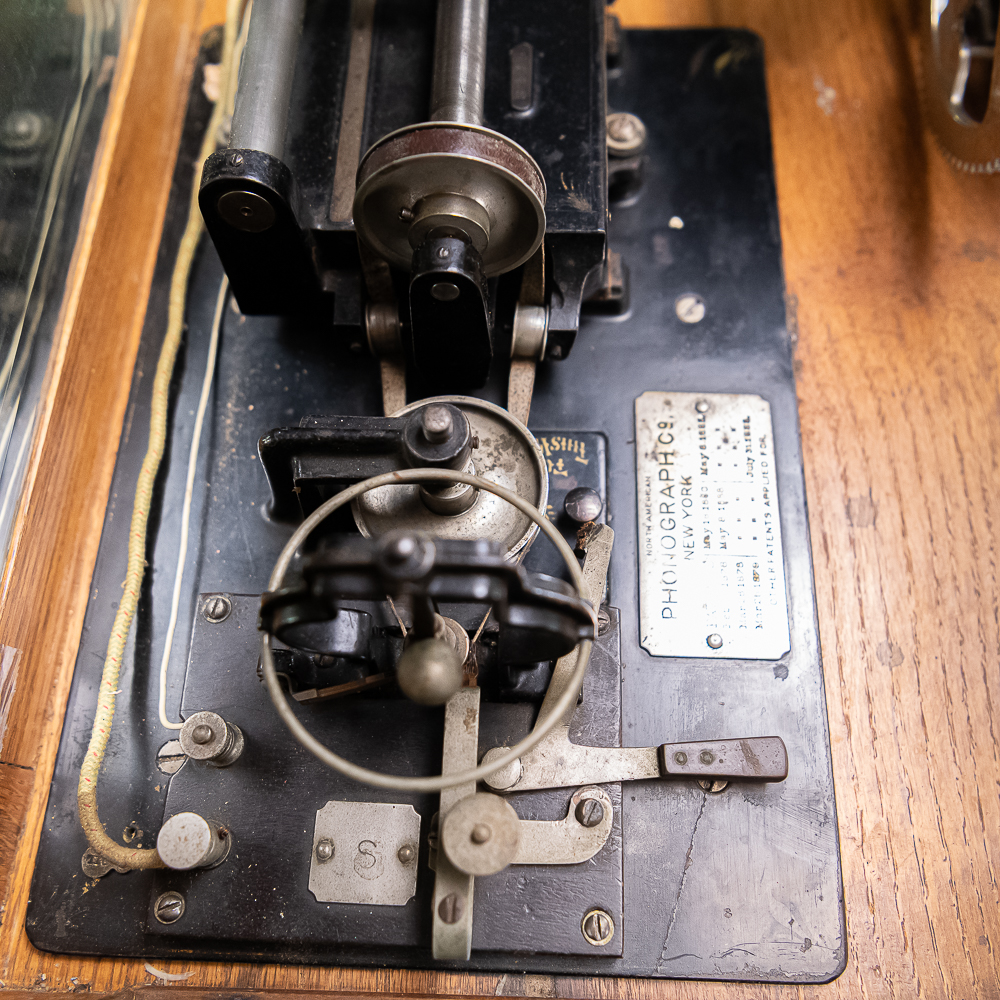
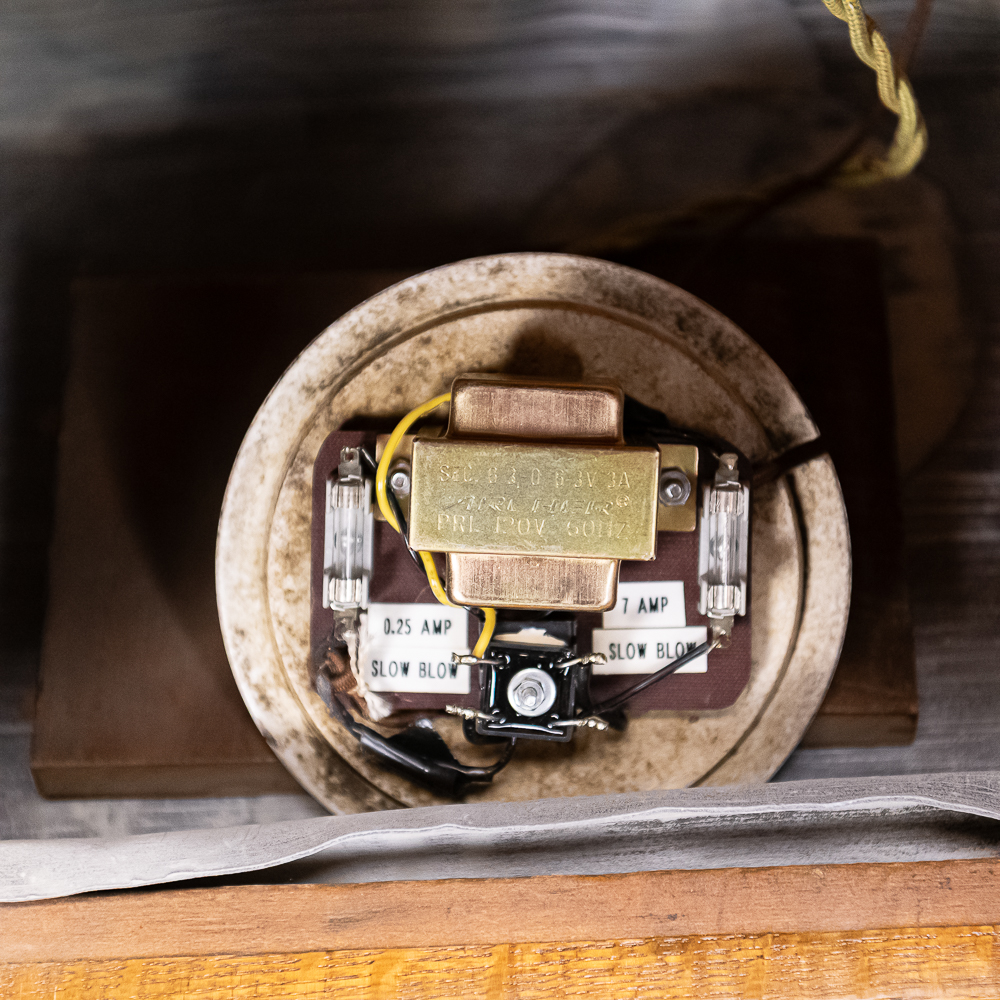
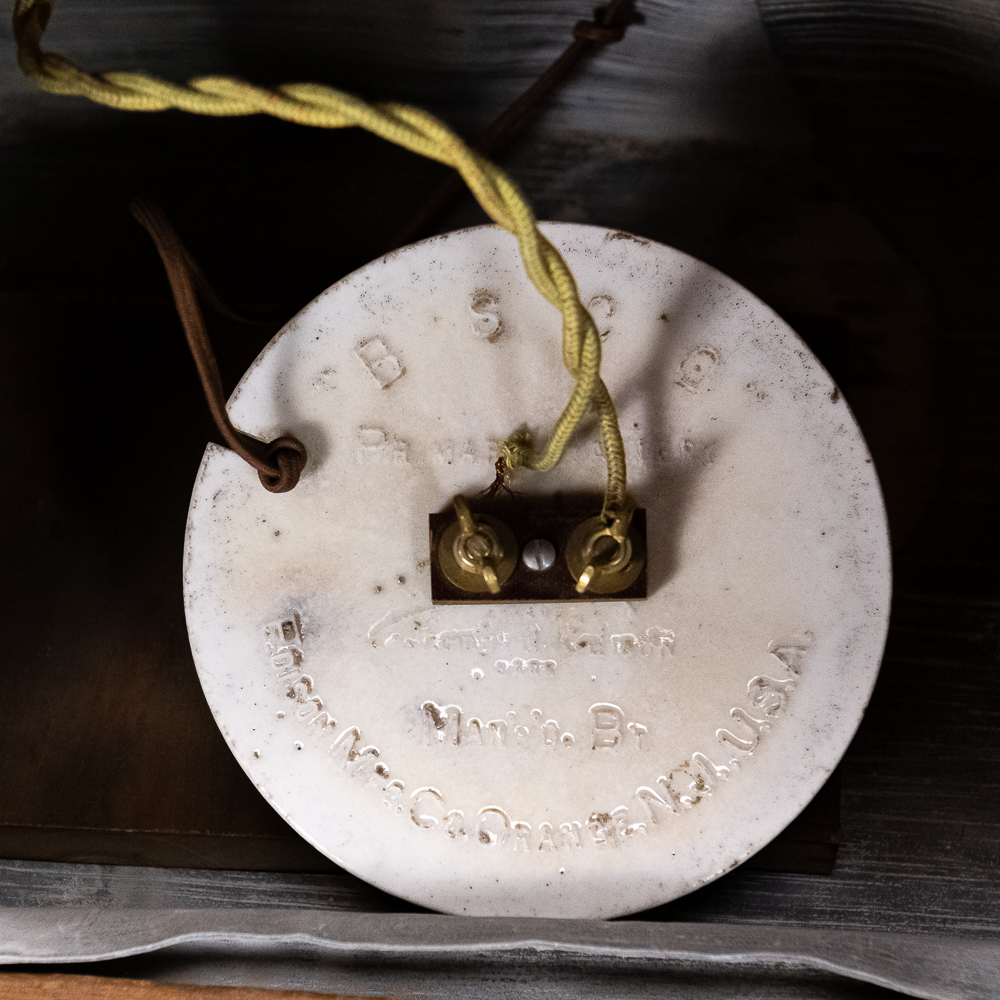
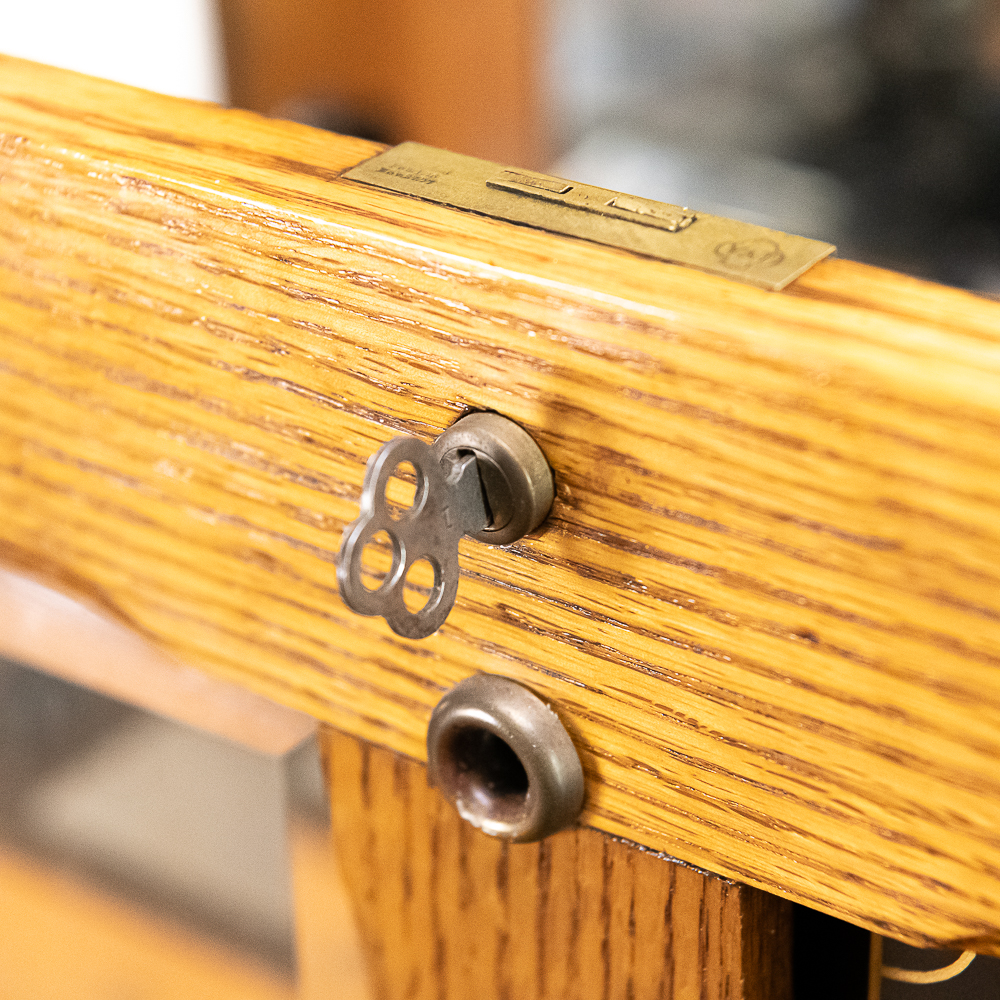
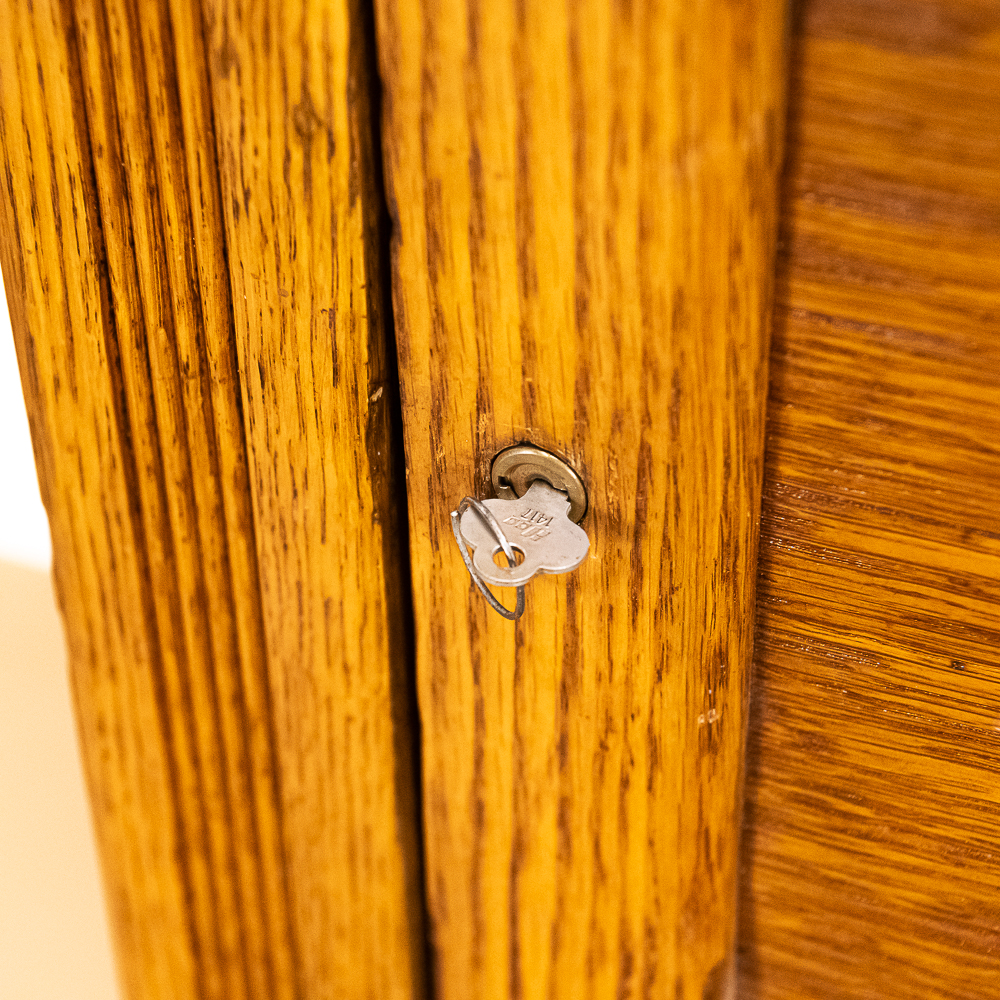
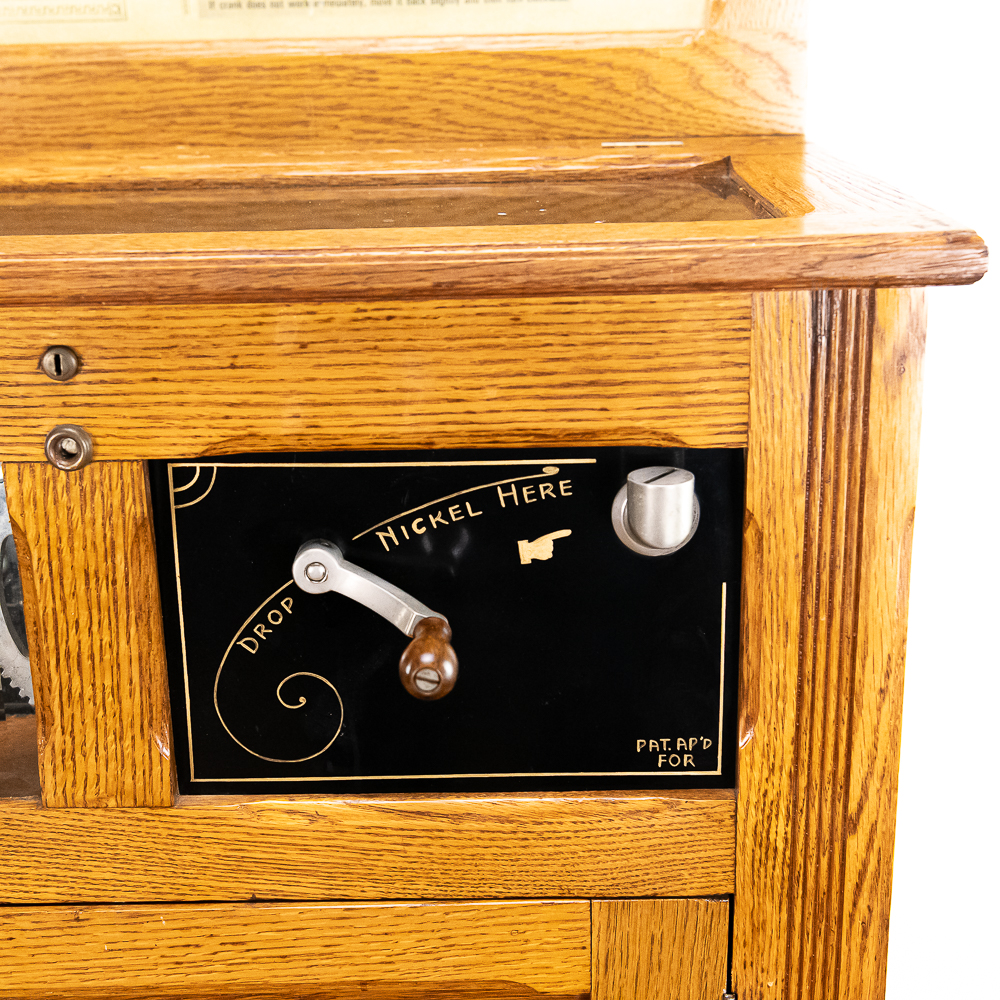
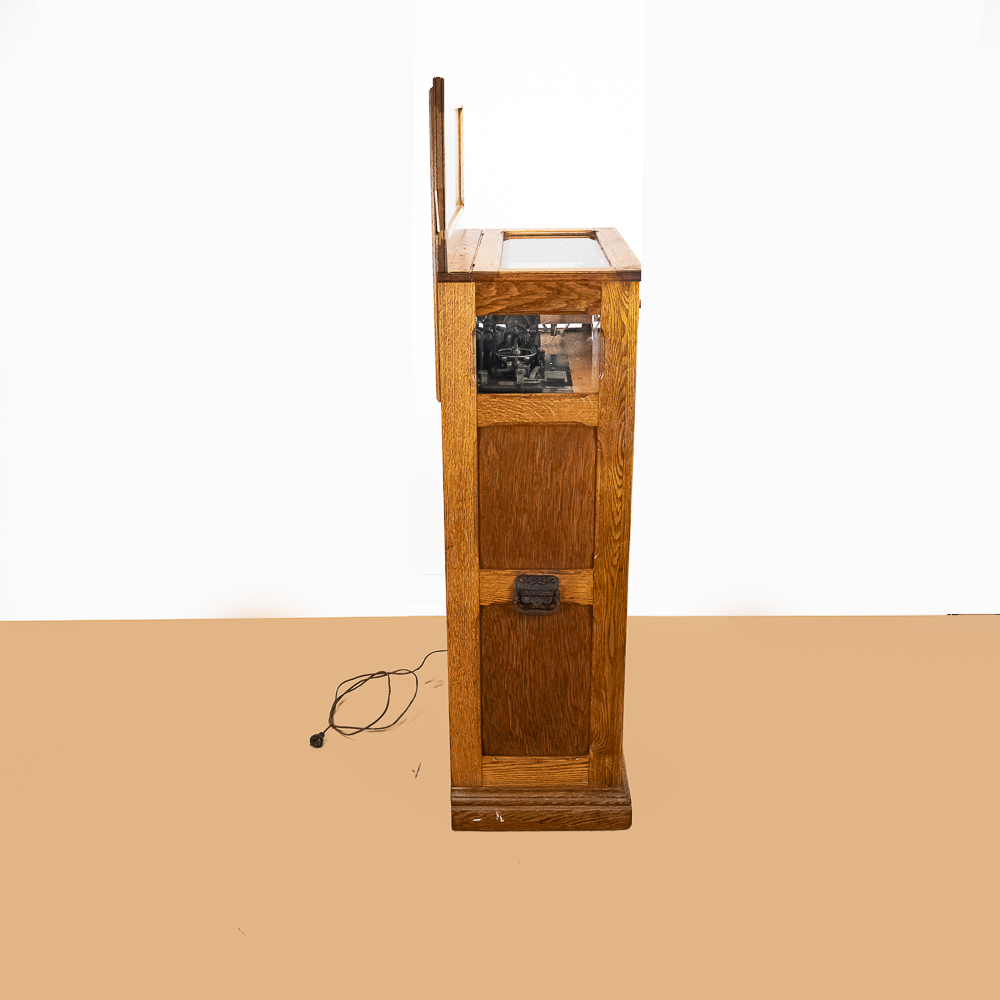
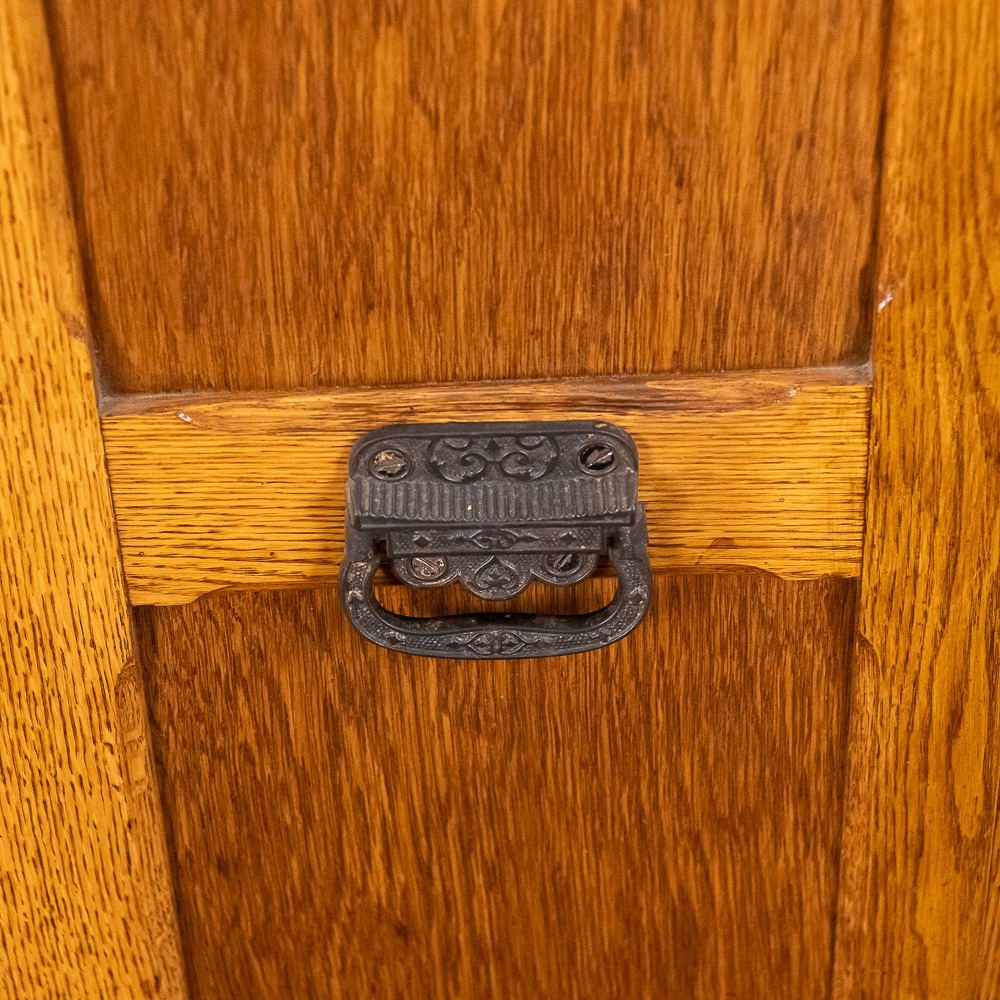
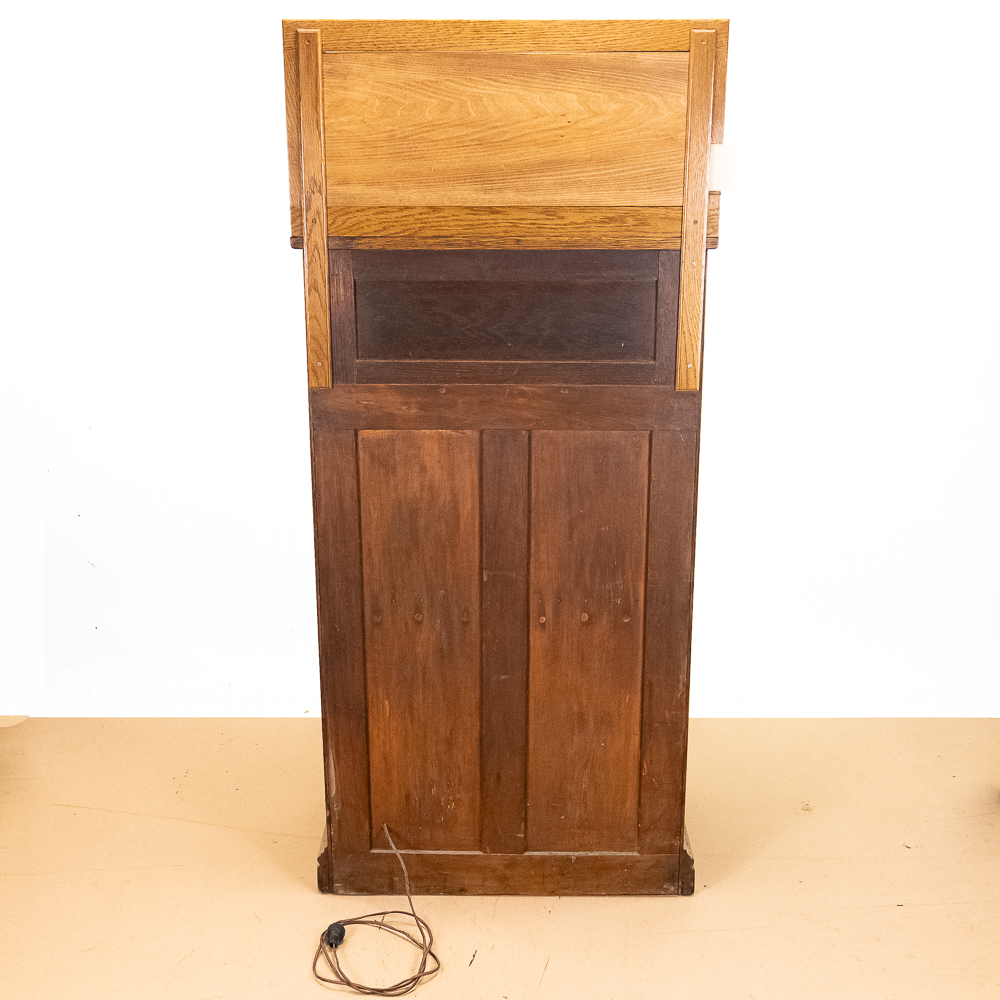
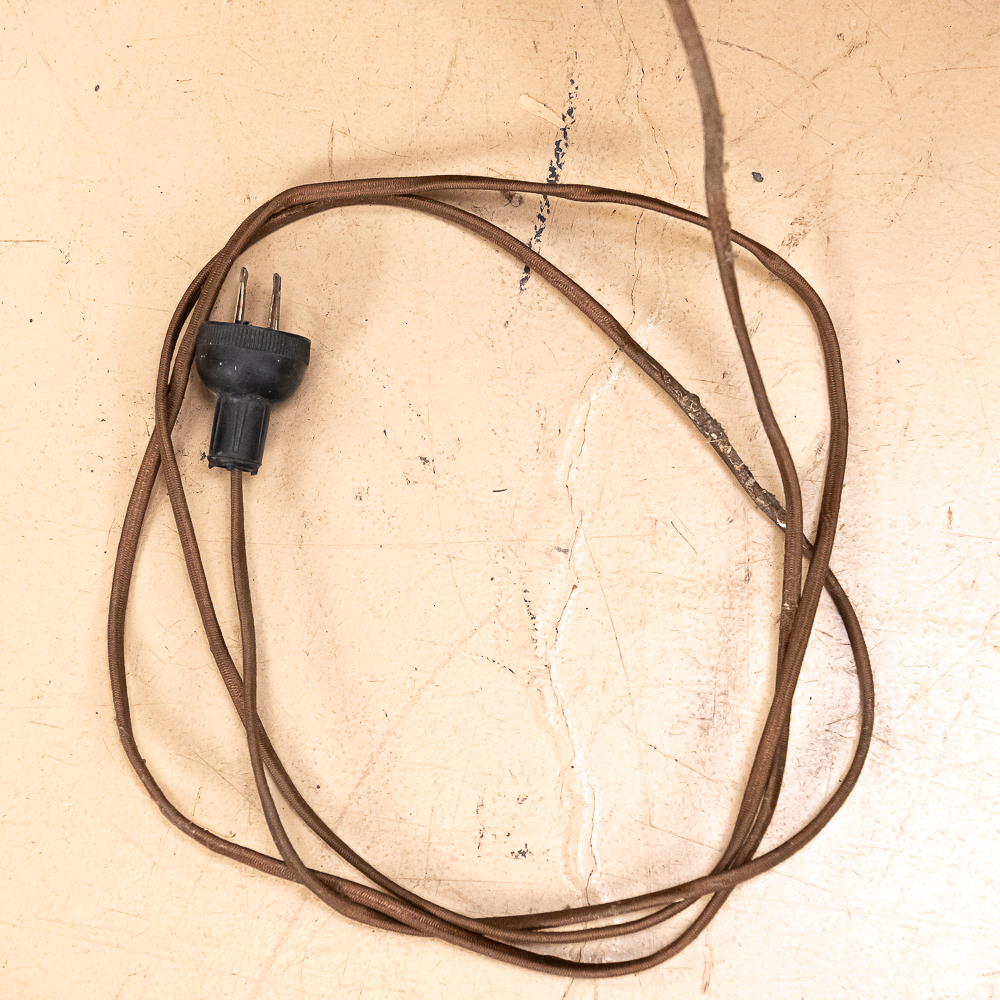
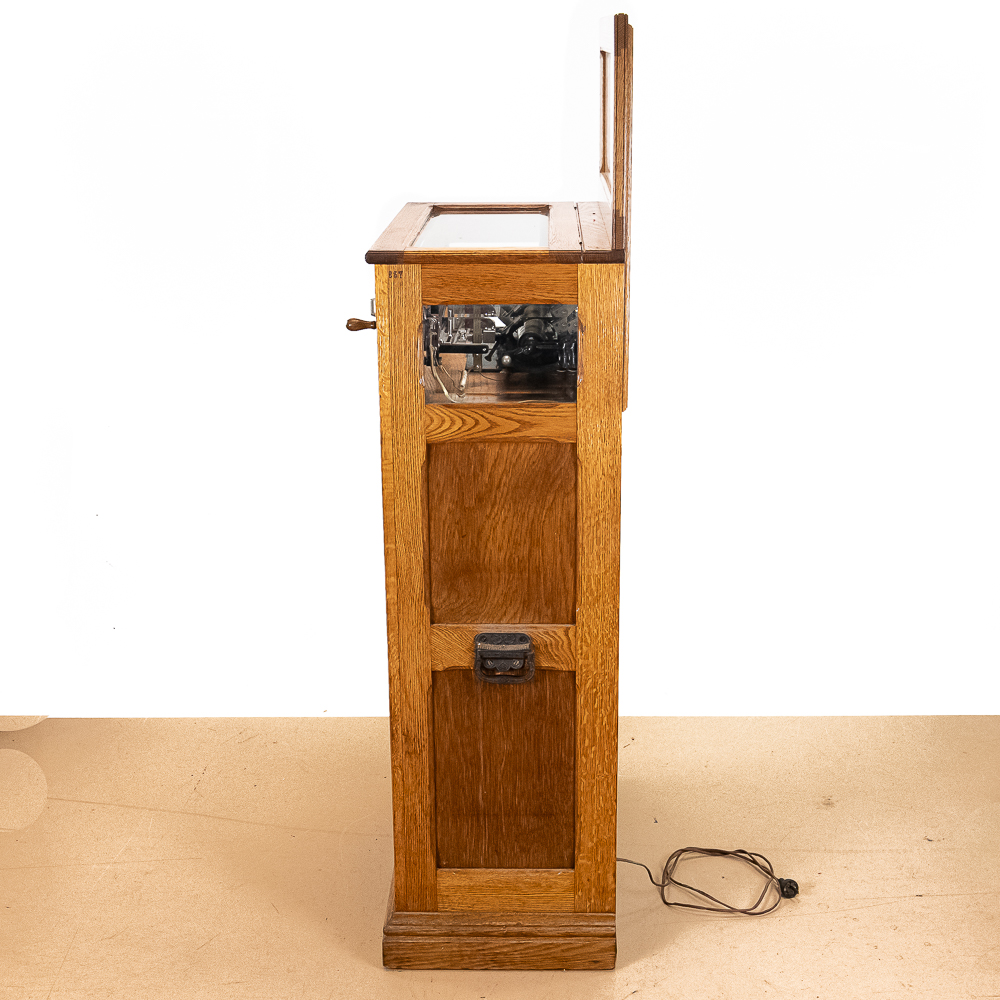
Albert K. Keller was a pioneering inventor and machinist who developed the first highly reliable, commercially successful coin-operated cylinder phonograph (an early jukebox forerunner) in 1891. Keller designed an automated machine that transitioned the phonograph from a novelty into a staple of public amusement arcades. In 1885, Keller worked as a machinist for the American Bell Telephone Company under Ezra Torrance Gilliland. Both later transitioned to work closely with Thomas Edison, where Keller helped establish the Edison phonograph factory in Bloomfield, New Jersey in 1887. By late 1889, Keller joined Ezra Gilliland to focus heavily on automated musical devices. In 1890, they aligned with the newly formed the Automatic Phonograph Exhibition Company, a venture headed by Felix Gottschalk that aimed to standardize the industry using Keller’s design. Keller developed and filed a patent for his “machine for operating phonographs” in 1891 (officially granted as U.S. Patent in 1894). His mechanism served as a coin-actuated attachment. The device remained physically locked until a coin was inserted, releasing a push-bar to activate the Edison cylinder mechanism and play a single wax cylinder recording. Patrons used listening tubes to hear the audio. The earliest commercial series of Keller’s design was manufactured by the James F. Gilliland Electric Company. Keller’s machines were widely distributed and installed in popular entertainment arcades across numerous major U.S. cities. The economic Panic of 1893 caused severe stock market disruptions, leading to the dissolution of the Automatic Phonograph Exhibition Company. Despite the company’s collapse, history recognizes Keller as the first truly successful manufacturer to bring reliable automation to early recorded audio. This machine is the 2nd improved style coin op phonograph designed by Keller which eliminates the to operate an Edison Class M battery powered phonograph. The Class M mechanism and the oak cabinet are original but the marquee & show card, coin vault, lead battery acid liner, and the actual coin op actuating mechanism have been reproduced by Merrick in 200 . The locks and keys for the access doors work. In the lower compartment is the locked 2 key coin vault with the an original tin cashbox inside. The bottom compartment was for the Edison storage batteries that powered the machine. It has a lead pan lining to contain sulphuric acid spills. It currently has an original Edison battery jar with a transformer in it to power the phonograph. The Class M phonograph mechanism is in VG original condition. The reproducer is good with a good stylus. All parts are clean and functional. Listening tubes are provided. Measures 26.75 ‘ wide, 16” deep, 59.5” tall to the top of the marquee. From the Allen Koenigsberg collection.
Note: Pickup/Transport required. Contacts available post auction.
Share this lot: