Relics of the American West: 1850-1920 - ONLINE ONLY
Lot 2120:
Description
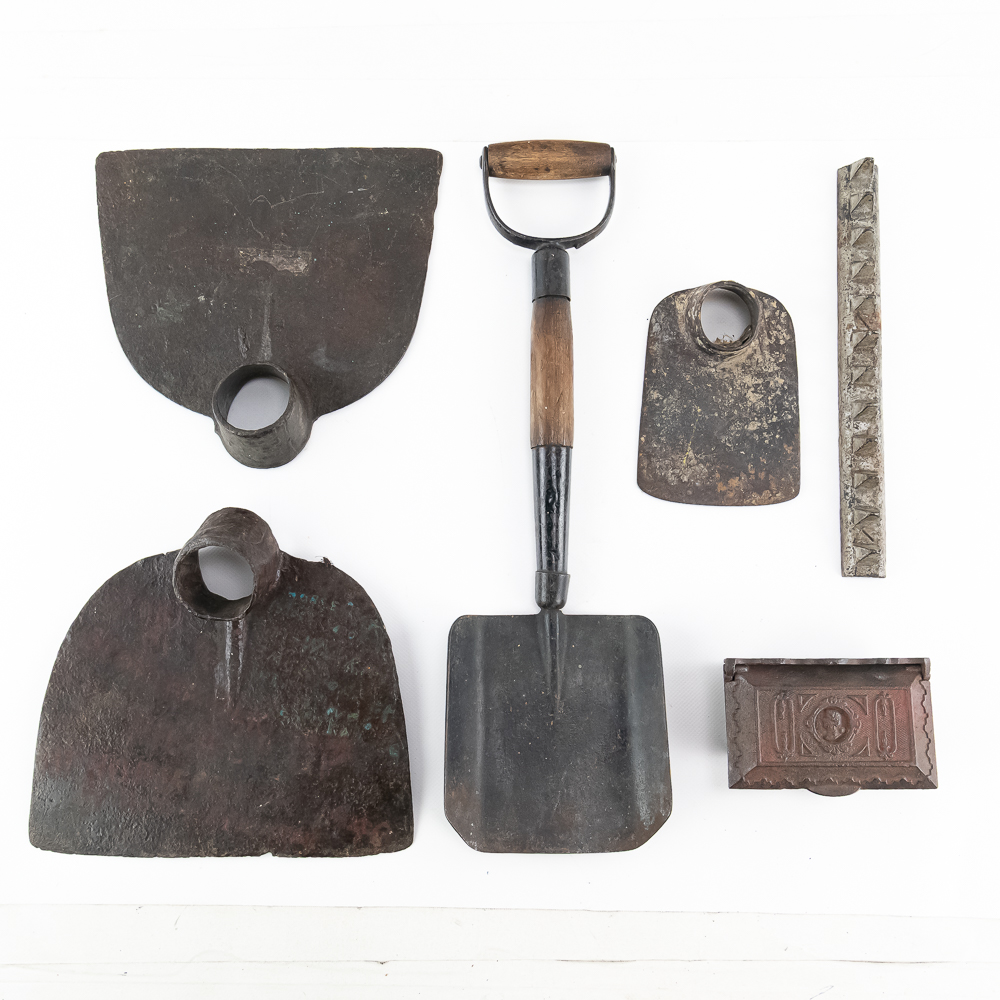
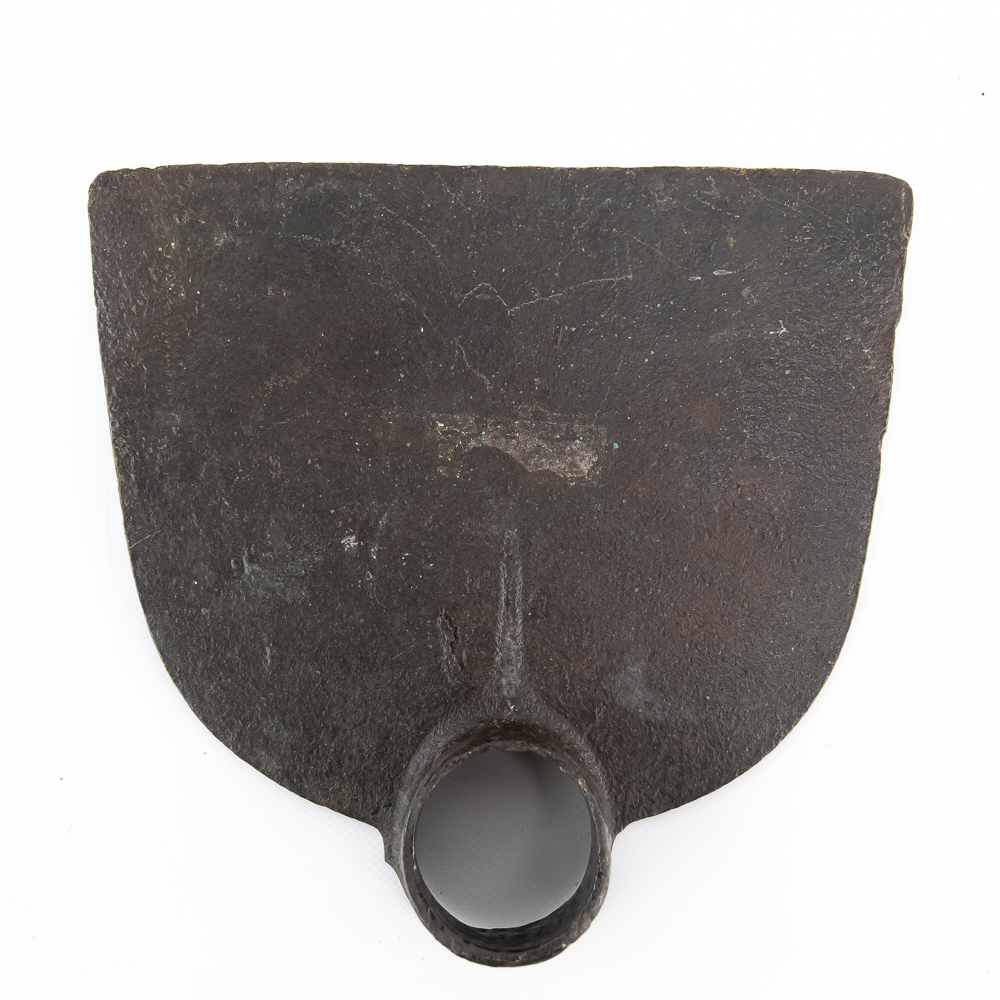
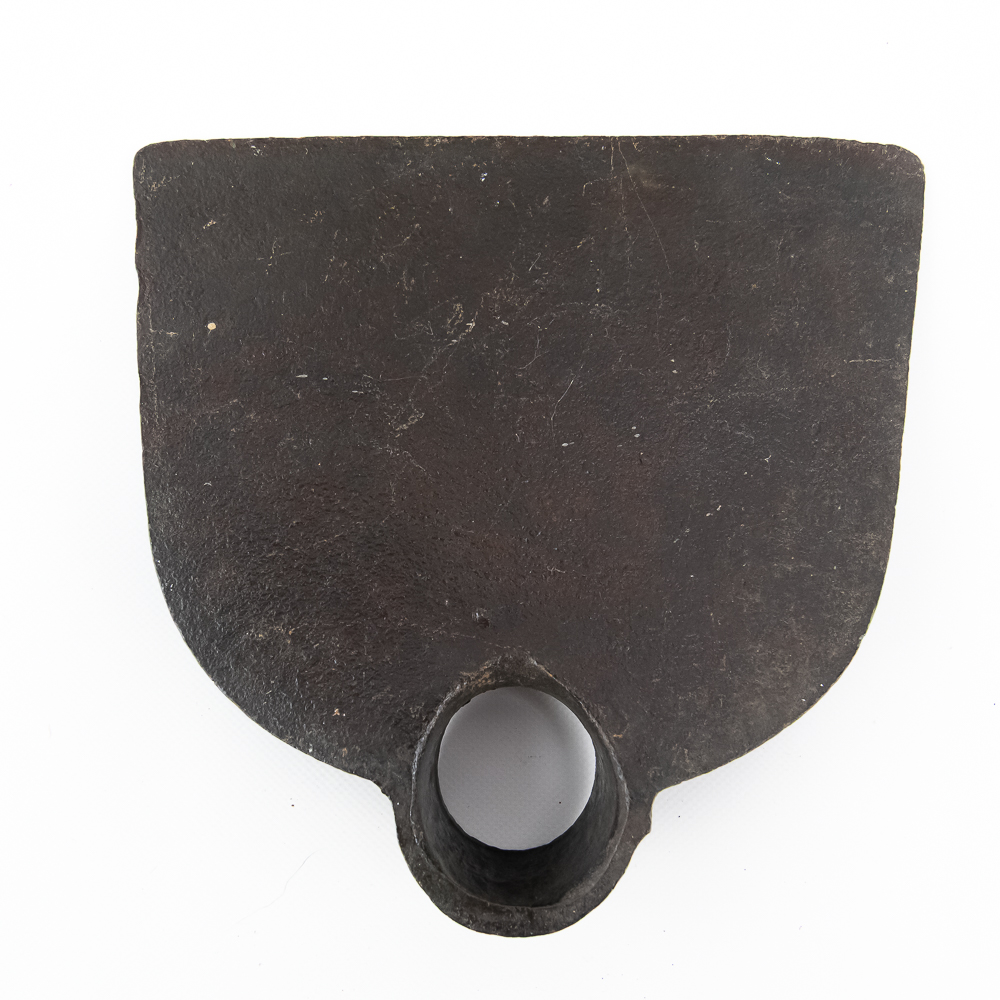
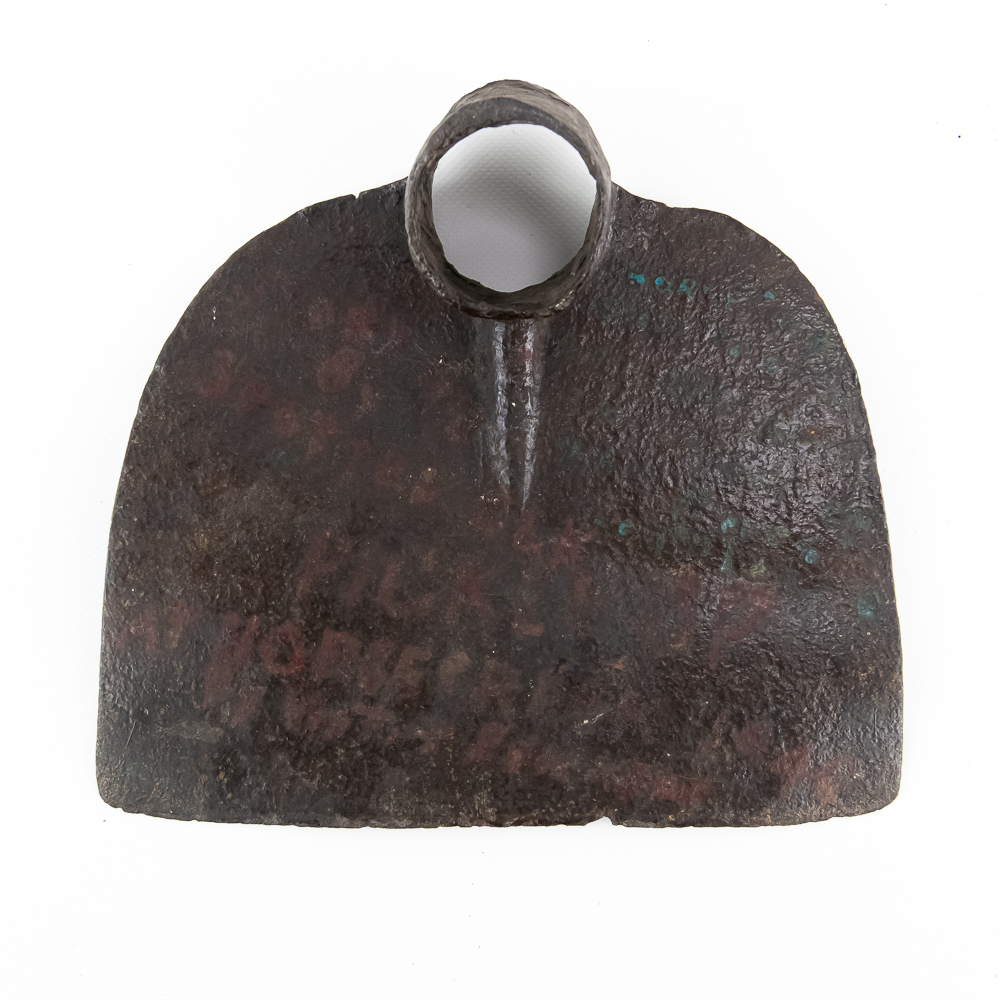
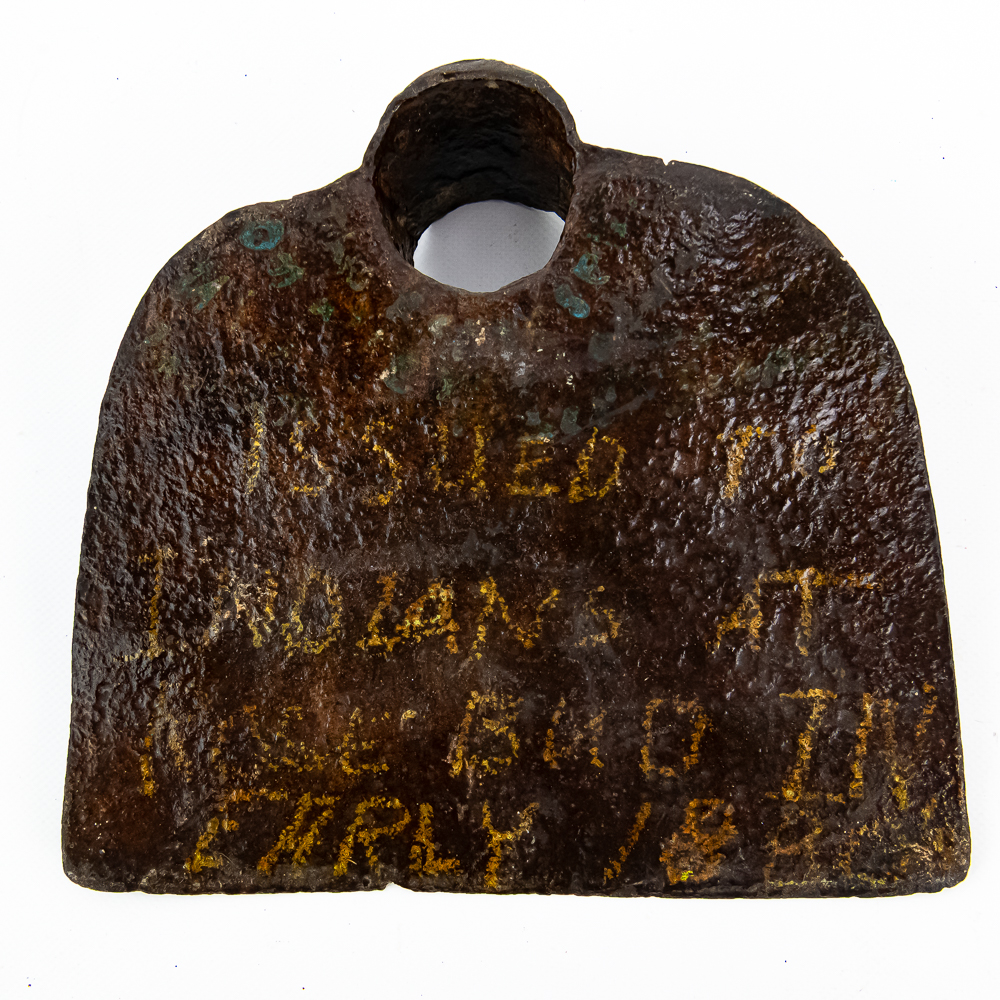
This remarkable collection of 19th-century frontier implements is anchored by a forged iron trade hoe serving as a dual-sided ledger of Lakota history. Hand-painted provenance on one side identifies it as “Issued to Indians at Rosebud ID in early 1880s,” while the reverse connects it to Spotted Elk (the birth name of Chief Big Foot) and notes it was “Picked up at Horse Creek” in 1890. Spotted Elk was the Miniconjou leader tragically killed during the Wounded Knee Massacre; Horse Creek was a vital site along the route traveled by displaced bands during the tensions of that year.
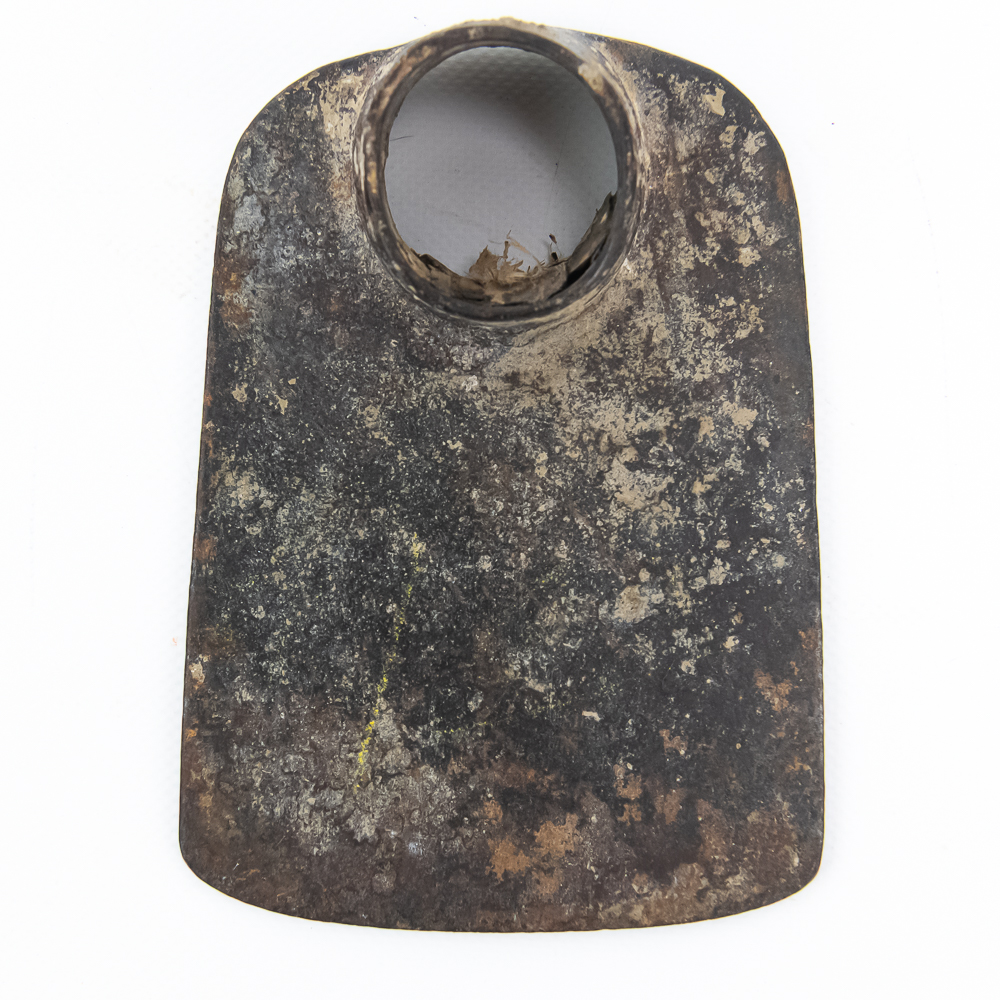
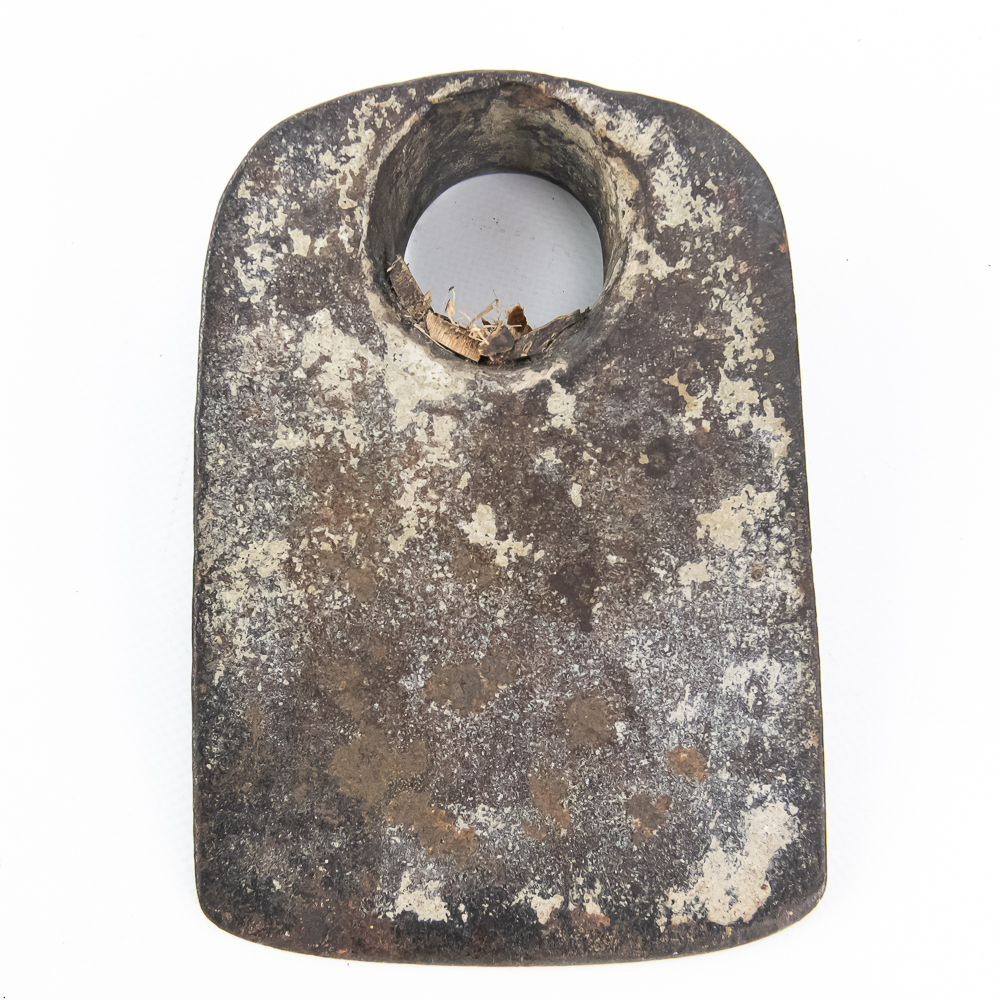
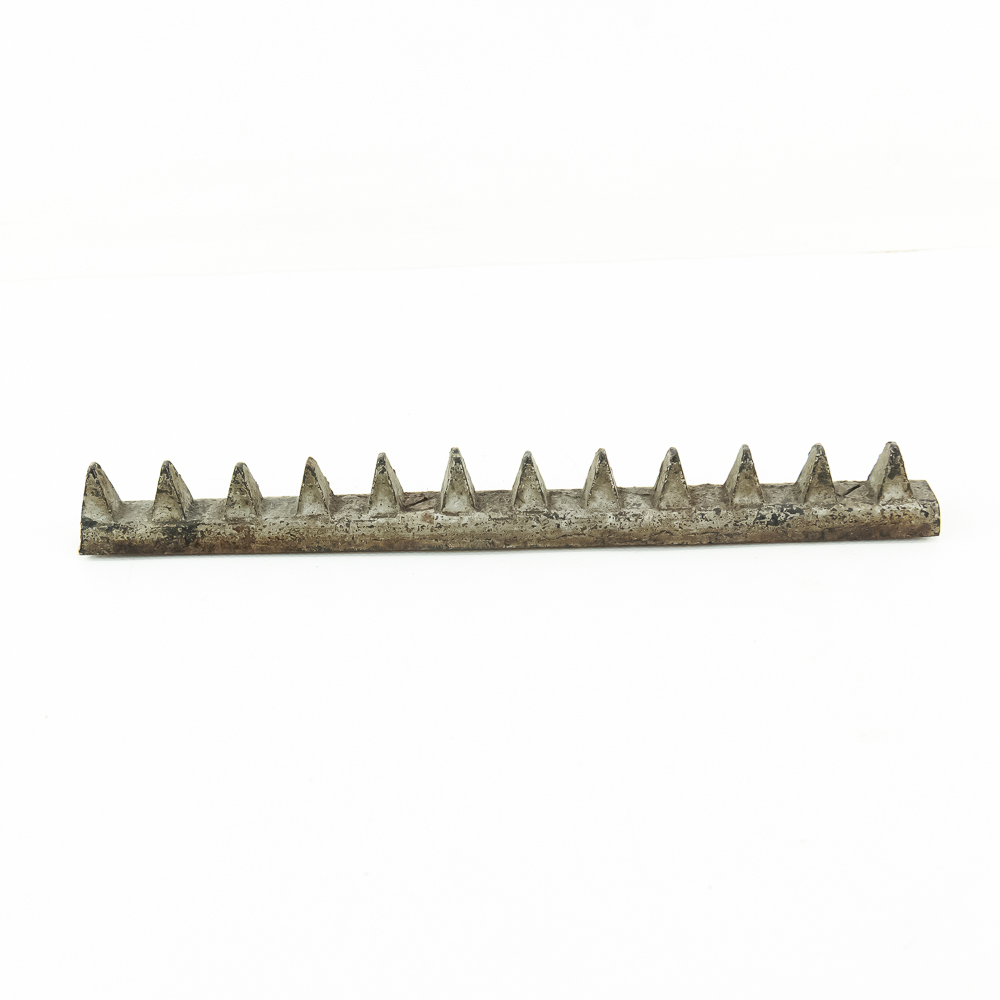
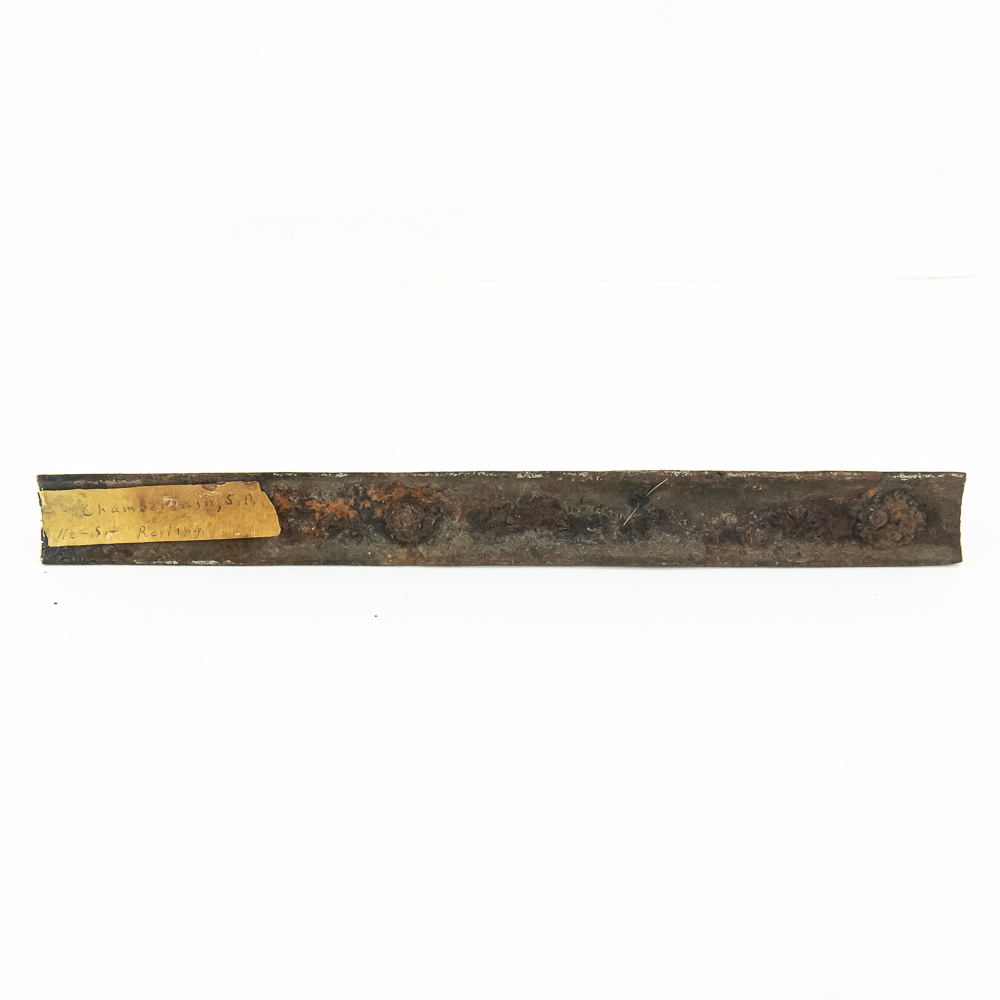
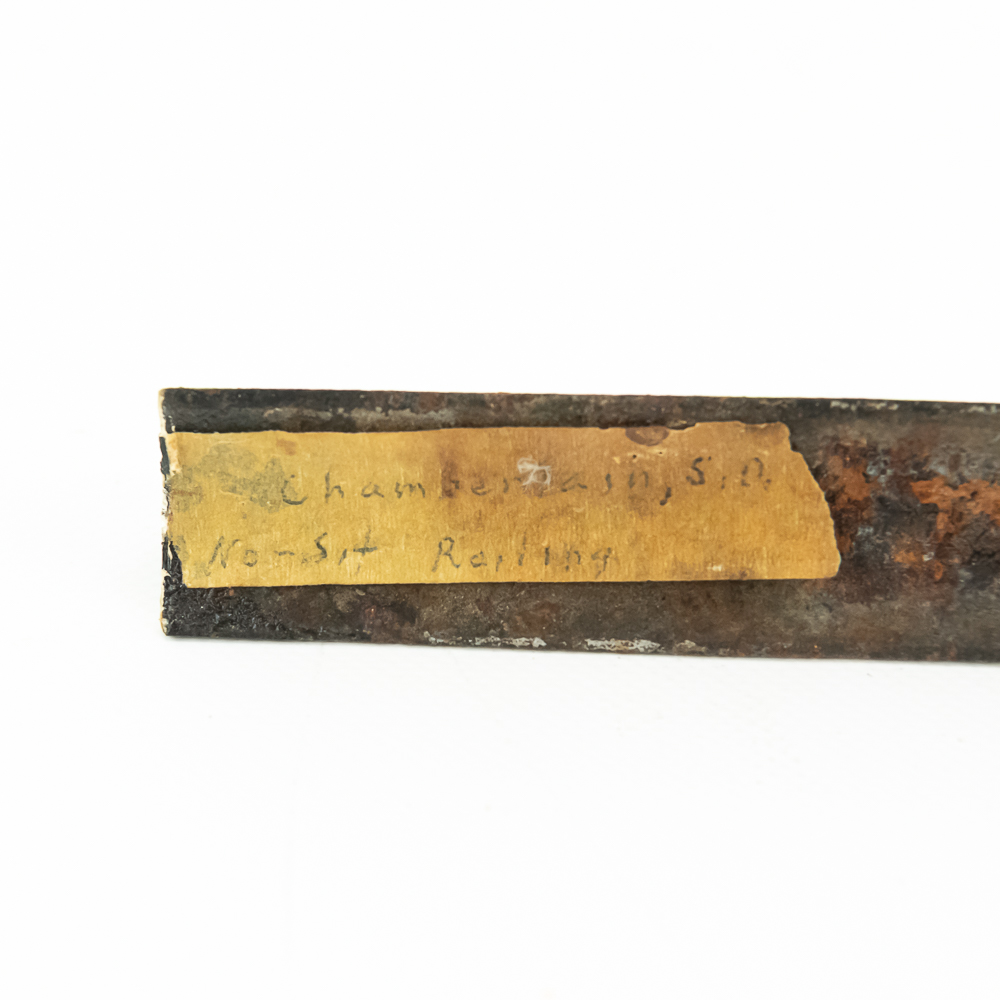
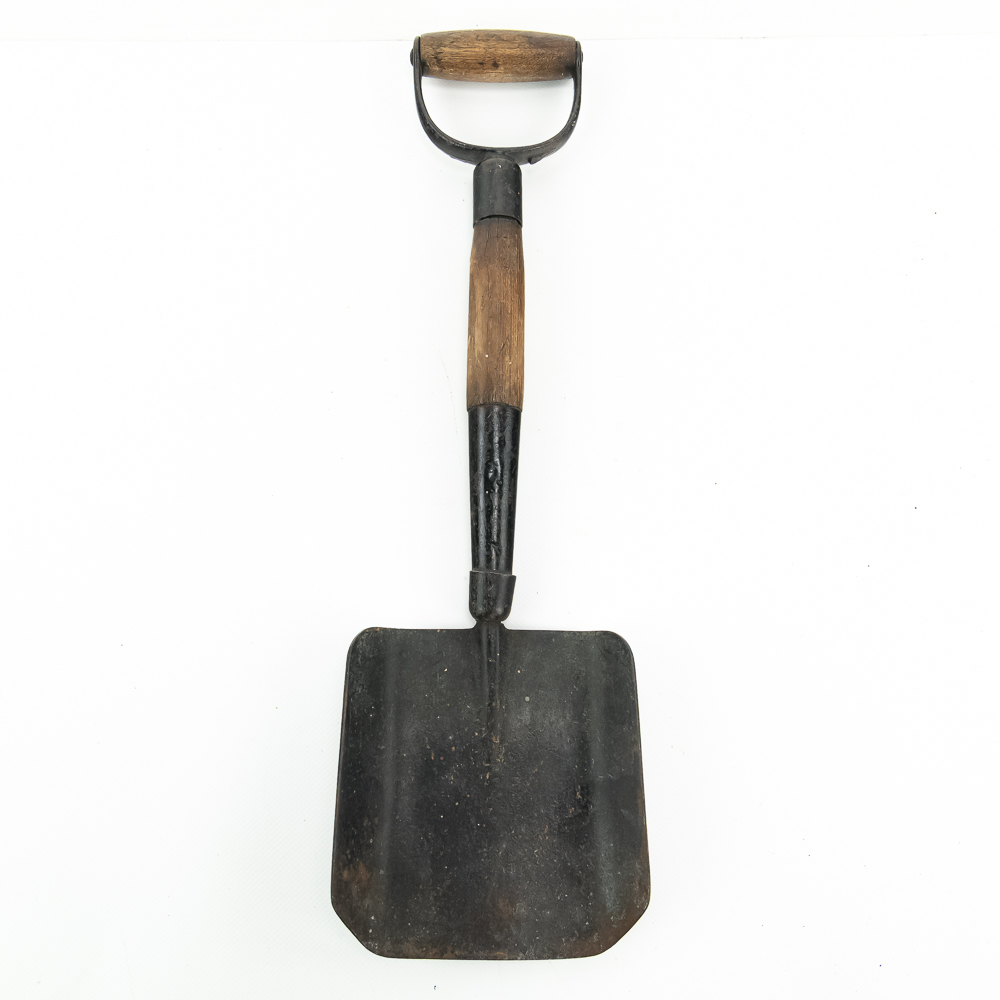
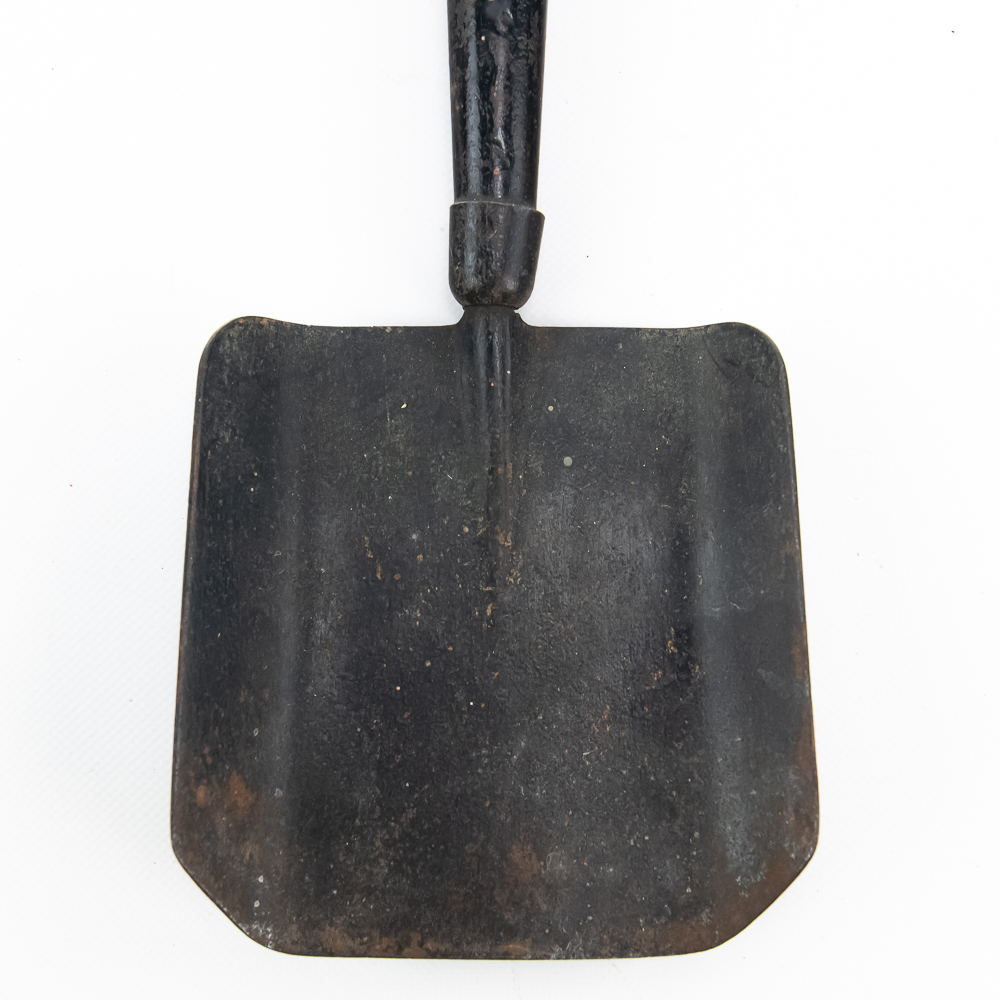
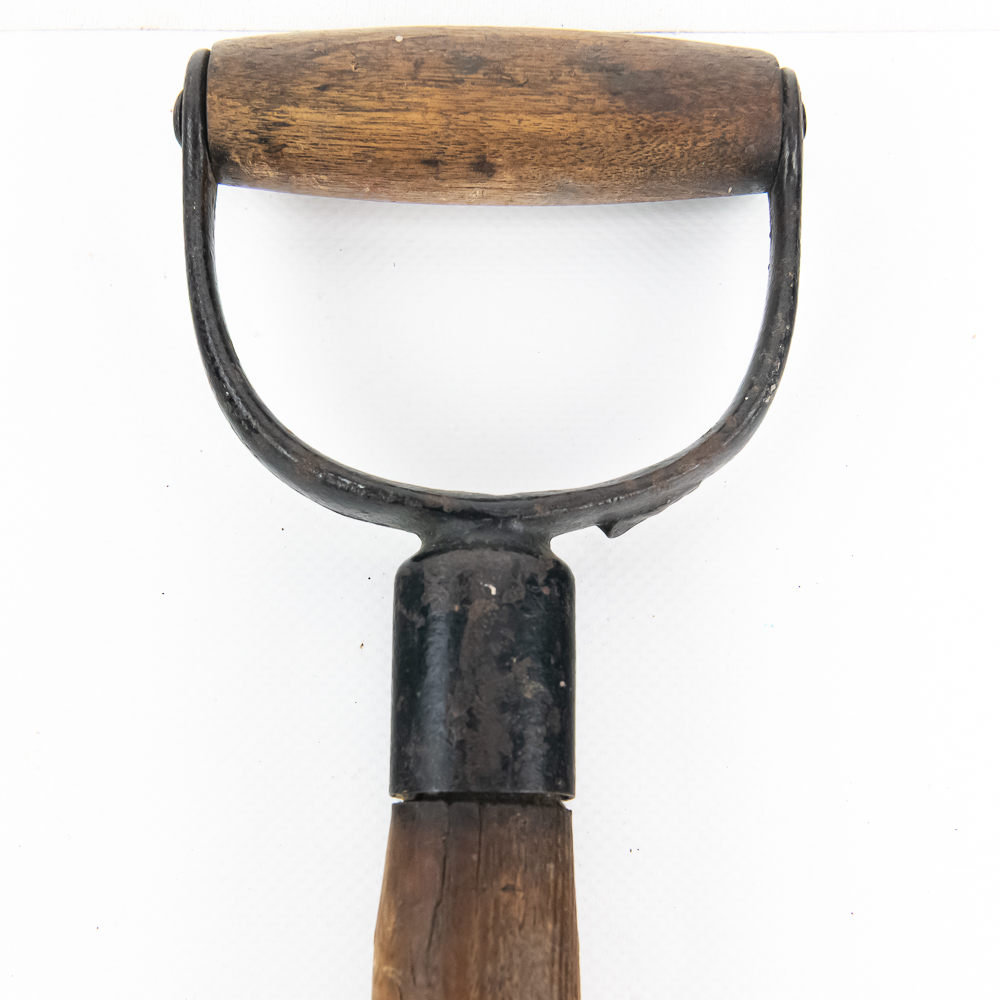
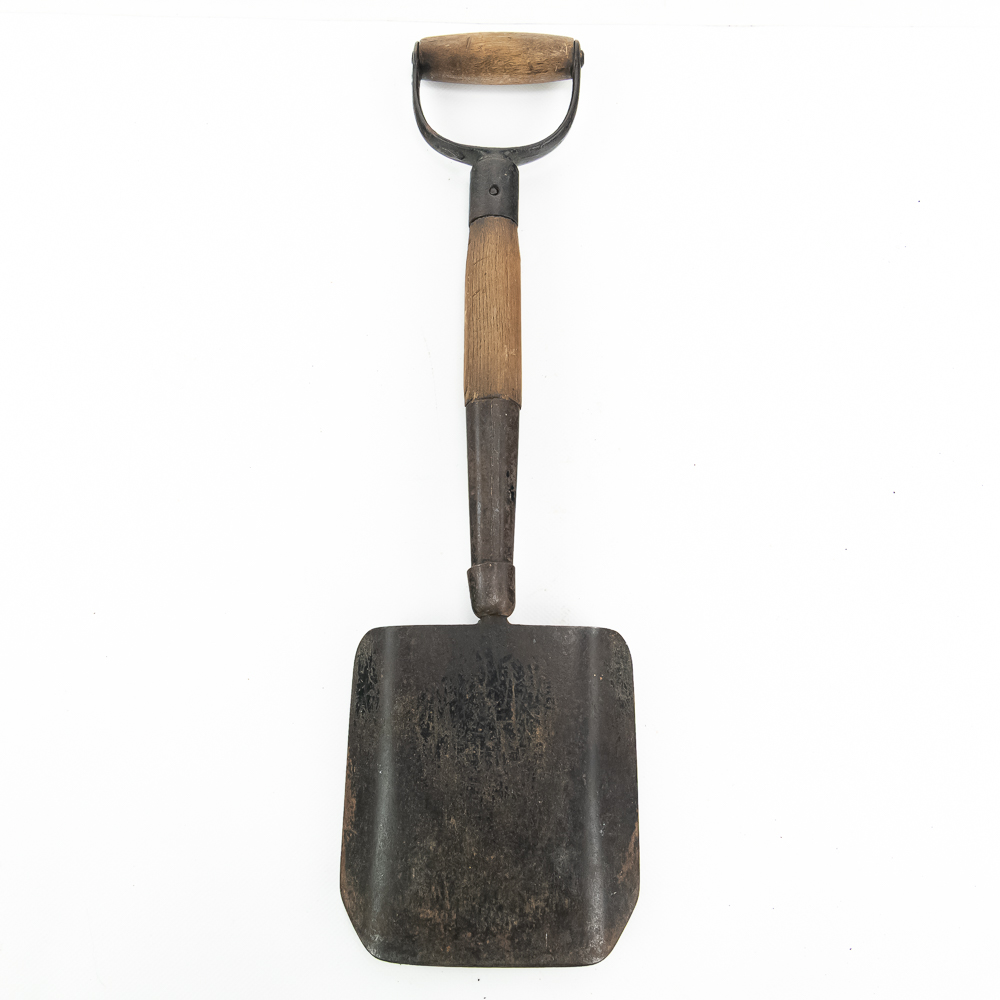
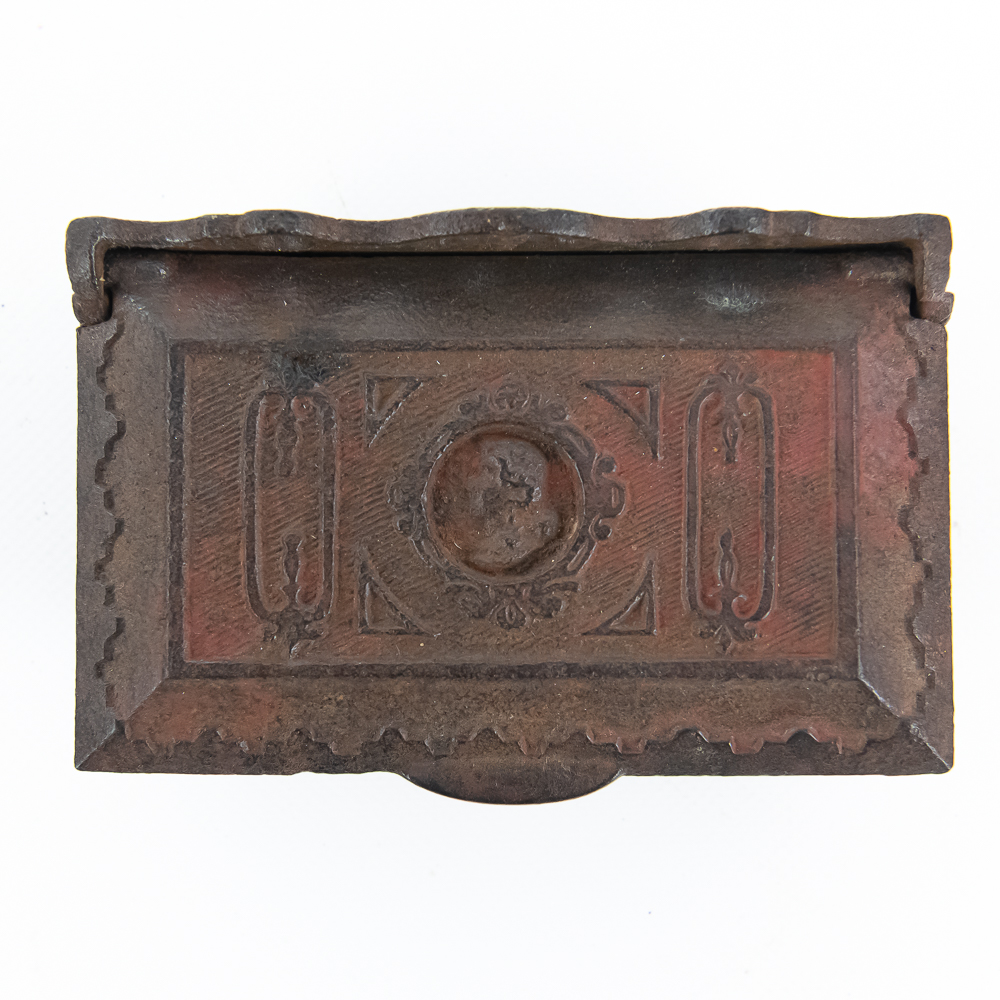
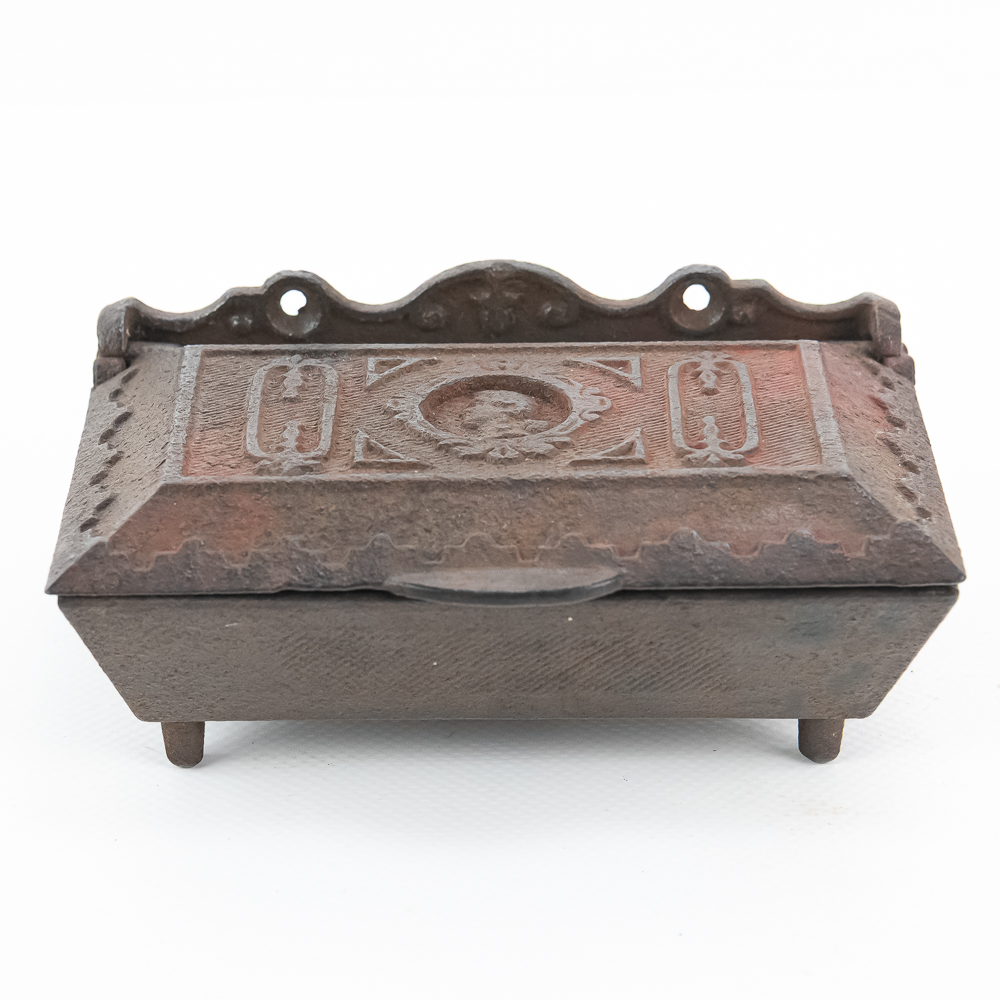
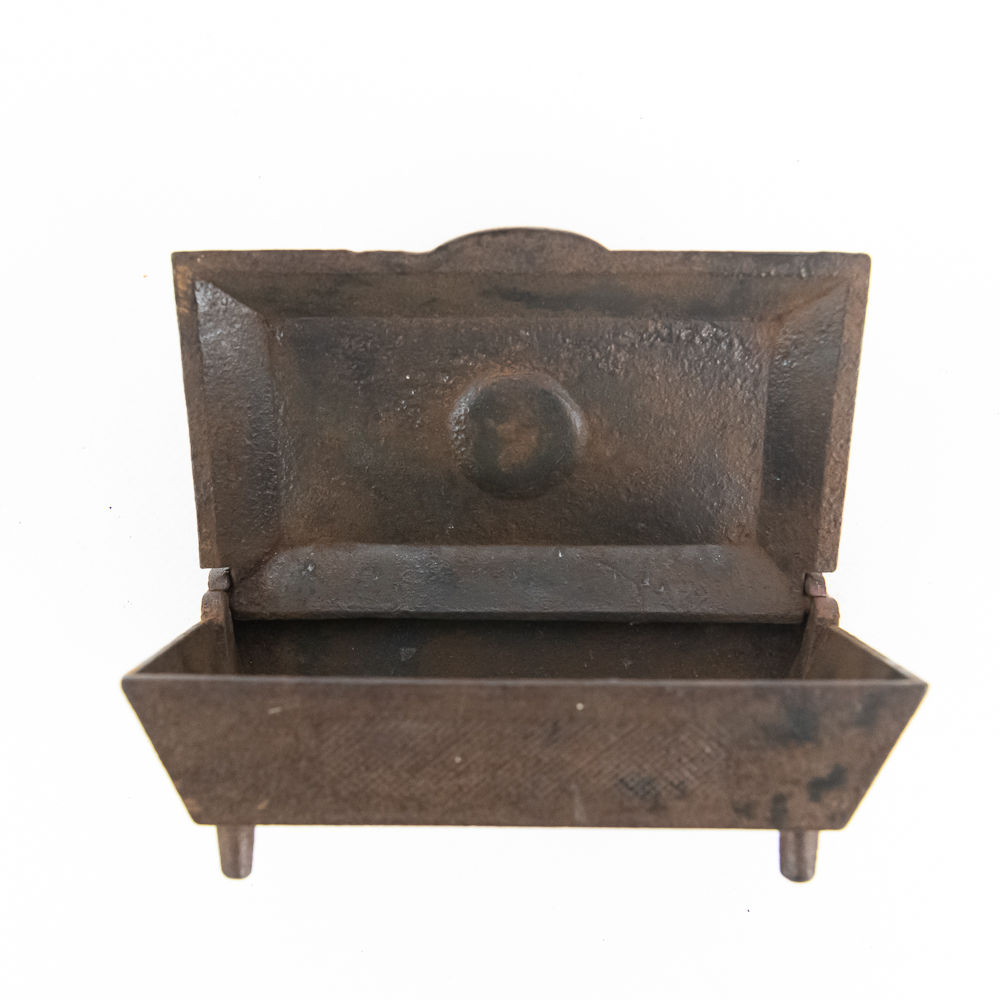
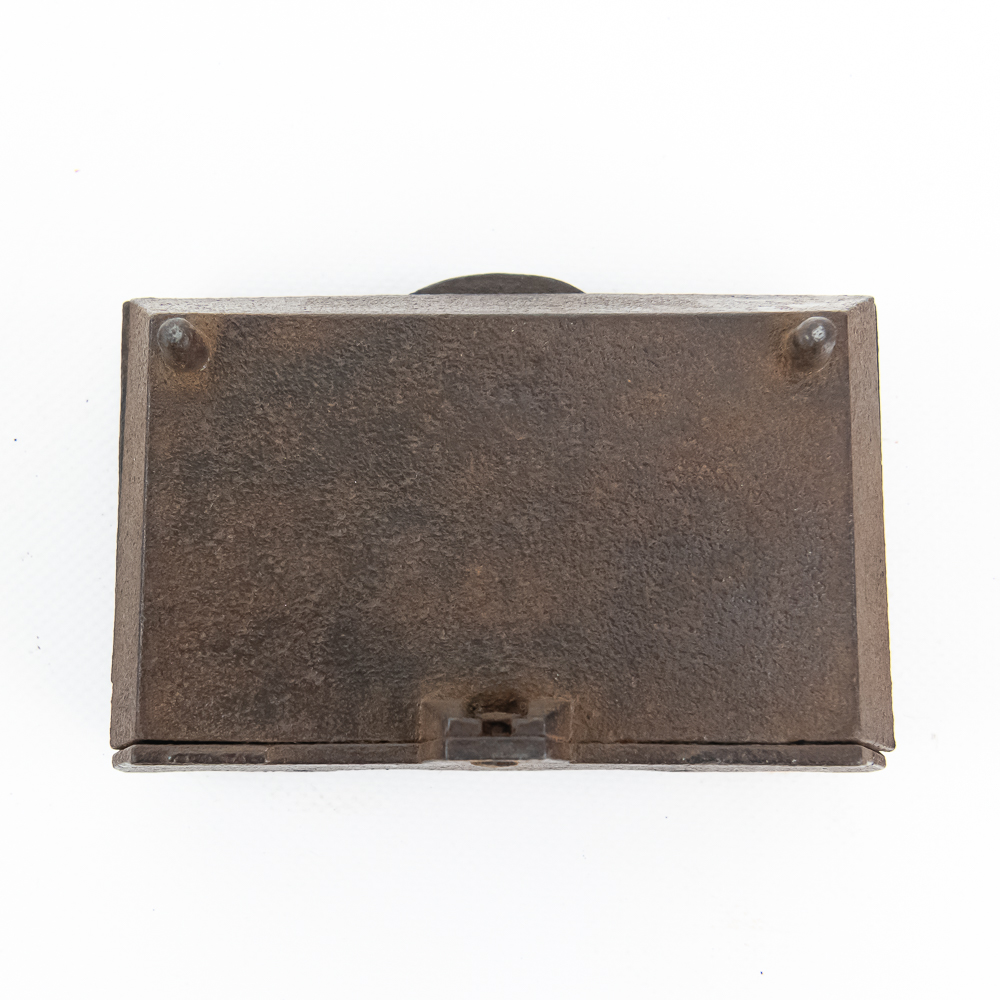
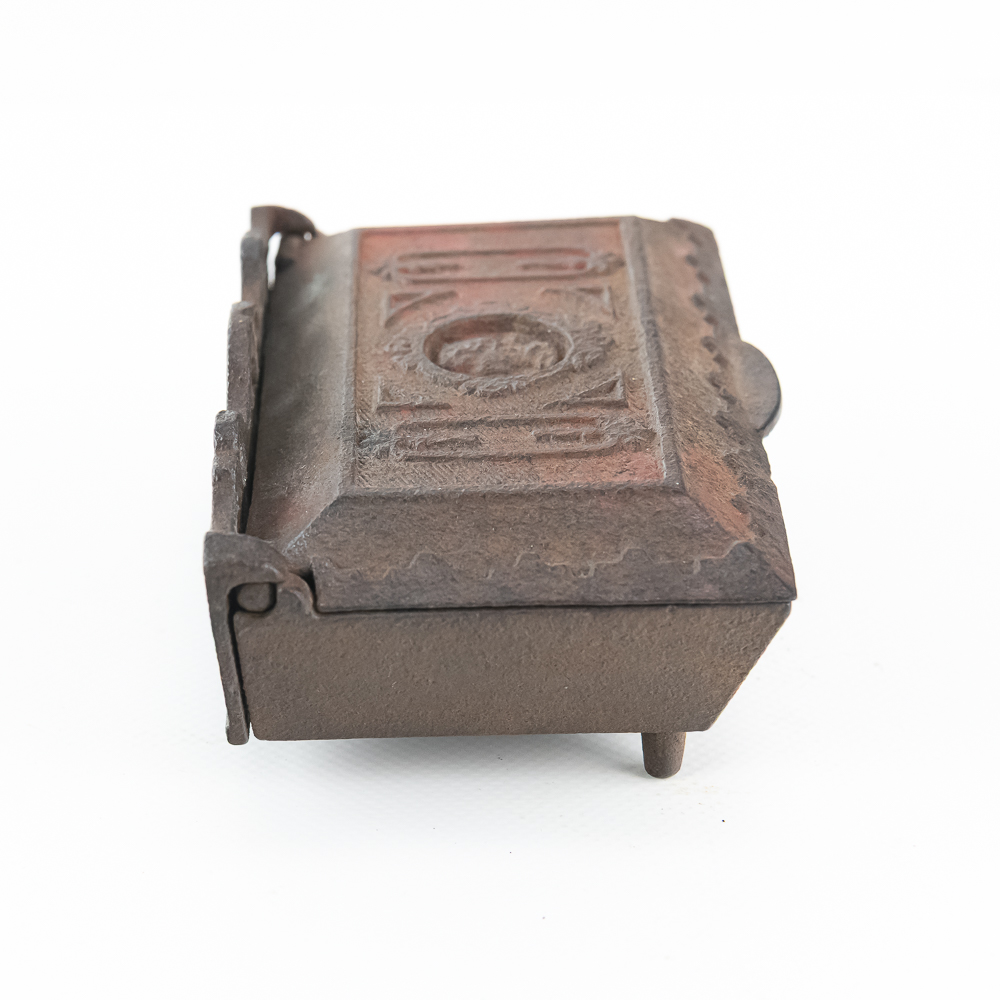
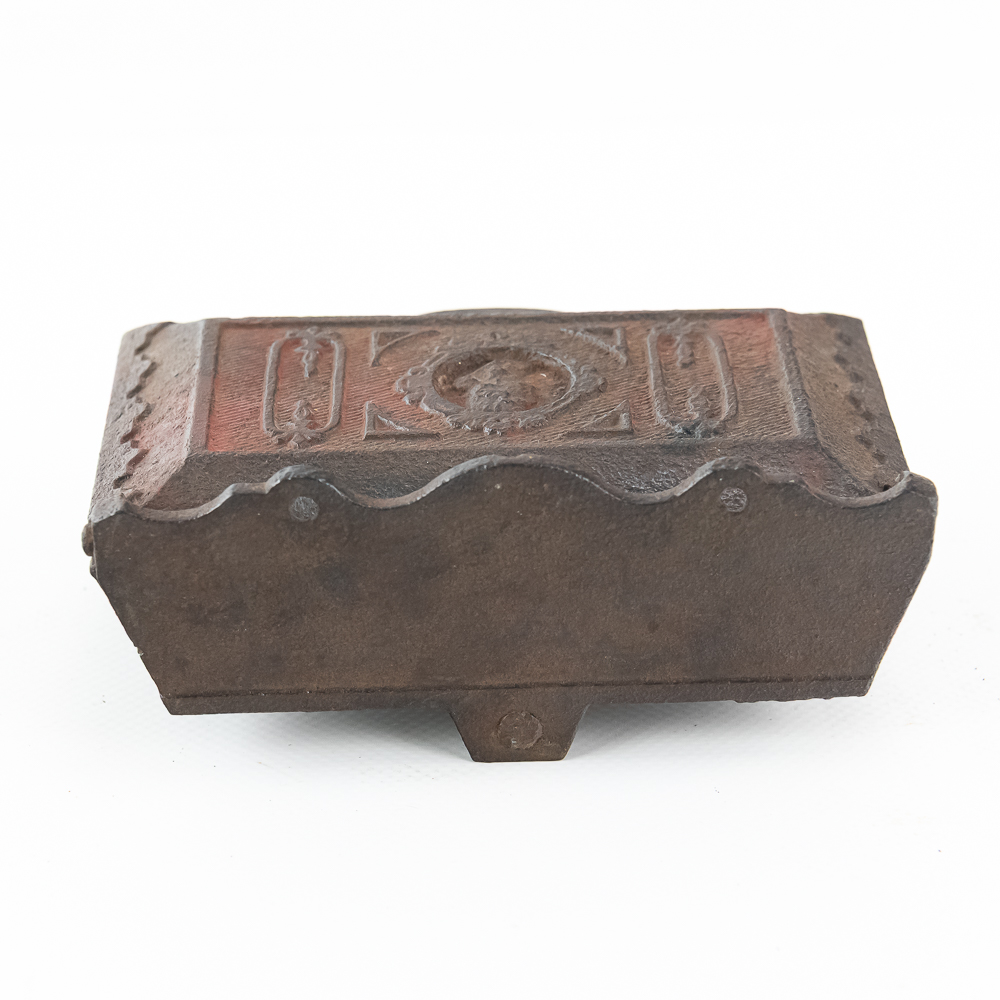
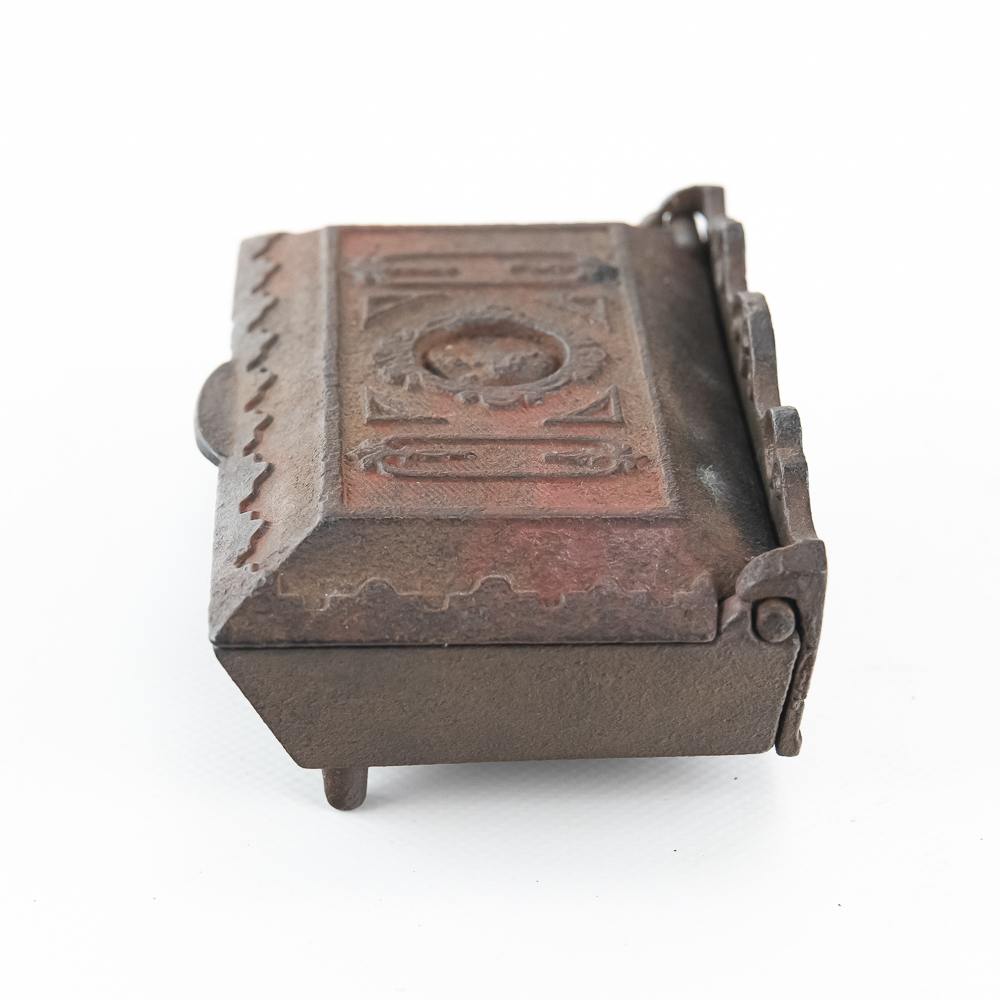
The lot includes a second large hoe head of similar size, a third smaller unmarked hoe head, a T-handle hand shovel with a faceted wooden grip, and a decorative cast-iron match box featuring a classical relief. Notably, it also includes a “No-Sit Railing” spike from Chamberlain, South Dakota, a town founded in 1881 as a major rail terminus for the Milwaukee Road; such spikes were often installed on public ledges near the railroad station to manage frontier crowds. The iron displays a heavy, authentic “chocolate” patina with significant oxidation and pitting consistent with 140 years of exposure. The shovel handle shows expected drying and minor wood loss at the grip. Hoe 1: H 9.25″, W 9.875″, D 2″; Hoe 2: H 9.25″, W 9.75″, D 2″; Railing: H 1.5″, W 11.5″, D 1.25″; Shovel: H 19″, W 5.5″, D 4″; Box: H 2″, W 5.25″, D 3.25″. Please see photos for condition.
Share this lot: